
Australian Farmers Market Compliance Checklist
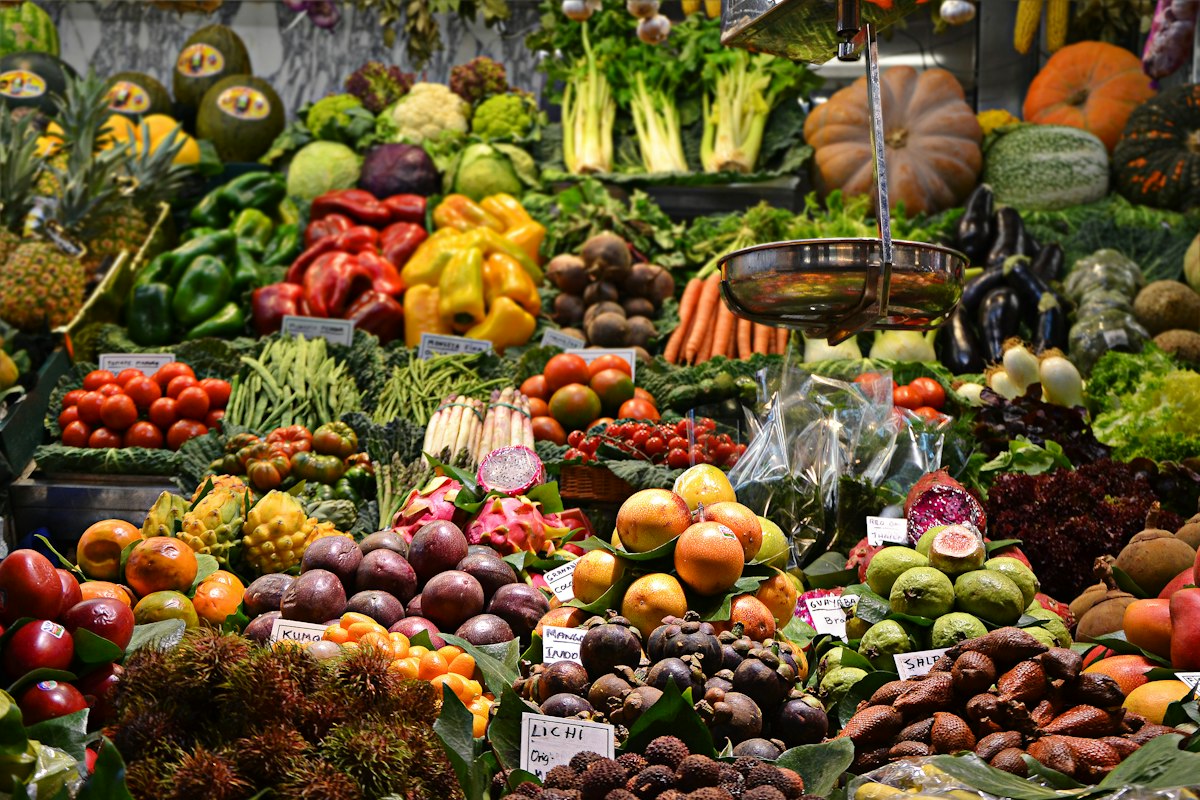
Australian Farmers Market Compliance Checklist
This Australian farmers market compliance checklist covers the core obligations every stallholder faces: food business registration with your local council, Food Standards Australia New Zealand (FSANZ) food safety requirements, public liability insurance of at least $10 million, correct labelling and allergen declarations, temperature control for high-risk foods, and state-specific rules on sampling and egg sales. Work through each item before your first market day and you will meet the standard applied by councils and market managers across the country. Most stalls clear the bar in a fortnight of preparation; the ones that fail usually miss one of the six items below.
Farmers markets in Australia are regulated at three levels at once: local council registration, state or territory food law, and the individual market's own stallholder agreement. Miss any layer and you can be turned away at the gate, fined, or shut down mid-market. The good news is that the requirements are consistent enough to plan for. This guide walks through each one in the order a new stallholder should tackle them.
Growers, producers, bakers, jam-makers, coffee carts and prepared-food vendors selling at Australian farmers markets. If you sell food, you are a food business — even if you only trade one Saturday a month.
1. Food Business Registration for Farmers Market Stallholders
Every person who sells food at an Australian farmers market must be a registered food business. Registration is handled by the local council in the area where your food business is based — not where the market is held. If you make jam in Ballarat and sell it in Melbourne, you register with the City of Ballarat.
Registration is typically free or low-cost for a home-based or low-risk business, but the application must be lodged before you trade. Councils can and do inspect. Under the Food Act 1984 (Vic), the Food Act 2003 (NSW) and equivalent state laws, trading unregistered is an offence carrying on-the-spot fines.
What you need to lodge
- A completed food business notification or registration form from your council.
- A description of the food you will make and sell, and where you make it.
- A simple food safety plan or, for low-risk businesses, a food safety supervisor declaration.
- Proof of public liability insurance (see section 3).
Register before you book a stall. Market managers routinely ask for your council registration number on the application form, and some will not confirm your site until they have it.
2. Food Safety Standards and the FSANZ Code
Australia's food safety rules come from the FSANZ Food Standards Code, which is enforced by the states. Three standards matter most to market stallholders:
- Standard 3.1.1 — general food handling and hygiene requirements.
- Standard 3.2.2 — food safety practices and general requirements, including temperature control.
- Standard 3.2.3 — food premises, equipment and transport.
For most stallholders the practical test is: is your food safe, is it protected from contamination, and can you prove where it came from? A food safety supervisor is mandatory for businesses handling high-risk food (meat, seafood, dairy, prepared meals). Certificate courses run about four to six hours online and cost roughly $100–$200.
Temperature control at the stall
High-risk foods must be kept at or below 5°C or above 60°C. Bring a probe thermometer, keep a temperature log, and use insulated coolers or a refrigerated trailer. Councils and market managers can ask to see your log at any time.
| Food type | Required storage temperature | Common market example |
|---|---|---|
| High-risk chilled | ≤ 5°C | Soft cheese, cured meats, dairy |
| Hot held | ≥ 60°C | Pies, soups, cooked sausages |
| Frozen | ≤ –18°C | Frozen berries, ice cream |
| Low-risk ambient | Cool, dry, pest-free | Bread, jam, honey, flour |
"A temperature log is the single document most likely to save a stallholder during a council inspection — it shows you knew the rules and were following them."
— Regional council environmental health officer, Victoria
3. Insurance and Stallholder Agreements
Public liability insurance is non-negotiable. Most Australian farmers markets require a minimum of $10 million cover, and some larger markets ask for $20 million. Product liability should be included. A market stall policy for a small food producer typically costs $300–$800 a year.
Alongside insurance, every market will ask you to sign a stallholder agreement. Read it. These agreements set out trading hours, pack-down rules, waste disposal, signage, and behaviour standards. They are enforceable, and breaches can lead to your site being withdrawn.
| Requirement | Typical standard | Where it comes from |
|---|---|---|
| Public liability cover | $10 million minimum | Market stallholder agreement |
| Product liability | Included | Insurer policy schedule |
| Certificate of currency | Provided before first market | Market manager |
| Stallholder agreement signed | Annually | Market operator |
Home and contents insurance rarely covers commercial food sales. If you are selling jam made in your kitchen, check with your insurer that the policy covers product sold to the public.
4. Labelling, Allergens and Country of Origin
Labelling is where most new stallholders get caught. Under the Food Standards Code and Australian Consumer Law, packaged food sold at a market must carry:
- The name of the food and the business name and address of the supplier.
- A lot or batch identification.
- An ingredient list, with allergens declared in bold.
- Country of origin labelling — required for most foods sold in Australia.
- Storage and use instructions where relevant.
Allergen declarations are the highest-risk item. The ten declared allergens in Australia are peanuts, tree nuts, milk, eggs, sesame, fish, shellfish, soy, wheat and lupin. Sulphites above 10 mg/kg must also be declared.
Country of origin labelling
Since the Country of Origin Food Labelling Information Standard 2016, most food sold in Australia must carry a standard mark or text statement. For a market stallholder, the simplest compliant option is the text statement — for example, "Made in Australia from at least 90% Australian ingredients".
5. State and Territory Variations You Must Check
Food law is state-based, and the differences matter. A stallholder who is compliant in NSW may not be compliant in Queensland.
| State / territory | Key requirement for market stallholders | Notes |
|---|---|---|
| New South Wales | Food business notification to local council; Food Safety Supervisor for high-risk | NSW Food Authority enforces |
| Victoria | Class 2 or 3 registration with council; Food Safety Supervisor required | Streatrader portal used by many councils |
| Queensland | Licensable food business licence from council | Some low-risk activities exempt |
| South Australia | Food business notification; council inspection | SA Health guidance for temporary events |
| Western Australia | Registration with local government | Department of Health food unit |
| Tasmania | Food business registration with council | Low-risk exemptions apply |
Two specific variations to know: selling eggs at market requires a food business notification and, in some states, an egg stamp or producer identification; and free samples of high-risk food may require additional approval from the market manager.
Ring your council's environmental health team before your first market. A ten-minute phone call usually reveals the one local rule you would otherwise miss.
6. Stall Setup, Hygiene and Waste
Market managers assess stall setup on the day. The standards are practical and consistent:
- Handwashing facilities with running water, soap and paper towels — a bucket with a tap is acceptable at many markets, but check.
- Food covered and off the ground, with barriers between raw and ready-to-eat food.
- Rubbish bins with lids, and a plan for taking waste home.
- Clean aprons, closed-toe shoes and hair restraint for anyone handling food.
- Signage showing your business name and, where required, your registration number.
Getting this right is also good business. Shoppers at farmers markets are unusually alert to hygiene, and a clean, well-presented stall sells more. A 2023 study by the CSIRO found that 68% of Australian consumers say provenance and food safety claims influence their farmers market purchases — so the compliance work doubles as marketing.
"Compliance is the price of entry, but presentation is what earns the repeat customer. The stallholders who last are the ones who treat both as part of the same job."
— Market manager, South Australian producers market
Frequently Asked Questions
Q: How do I register my food business to sell at an Australian farmers market?
A: Contact the local council where your food business is based and lodge a food business notification or registration form. Do this before you book a stall. Most councils process low-risk registrations within a week or two, and the fee is usually modest.
Q: What insurance do I need to sell at a farmers market?
A: Public liability insurance with at least $10 million cover, including product liability. Most markets ask for a certificate of currency before your first trading day. A dedicated market stall policy typically costs $300–$800 per year.
Q: Do I need a food safety supervisor to sell at a market?
A: Yes, if you handle high-risk food such as meat, seafood, dairy or prepared meals. The certificate takes about four to six hours online and costs roughly $100–$200. Low-risk businesses such as jam or bread makers may not need one, but check with your council.
Q: What labels are required on food sold at a farmers market?
A: Packaged food needs the food name, supplier name and address, lot identification, ingredient list with allergens declared, country of origin labelling, and storage or use instructions where relevant. Allergen declarations are the most commonly missed item.
Q: Can I sell eggs at an Australian farmers market?
A: Yes, but you need a food business notification with your council, and some states require egg stamping or producer identification. Check your state's egg food safety requirements before your first market.
Q: What temperature must food be kept at on a market stall?
A: High-risk chilled food must be kept at or below 5°C, and hot food at or above 60°C. Keep a probe thermometer and a written temperature log at the stall — inspectors and market managers can ask to see it.
Work through this Australian farmers market compliance checklist in order — registration, food safety, insurance, labelling, state rules and stall setup — and you will meet the standard applied by councils and market managers nationwide. The stallholders who prepare properly do not just avoid fines; they build the trust that turns a Saturday stall into a real business. For more detail on the food safety side, see our food safety supervisor course guide and our market stall setup template. If you are still choosing where to trade, our state-by-state farmers market directory lists requirements market by market.
📖 Related
See the KDS and POS in action — try the live demo or create a free account.