
Christmas in July Market Ideas Australia: Winter Festivals That Work
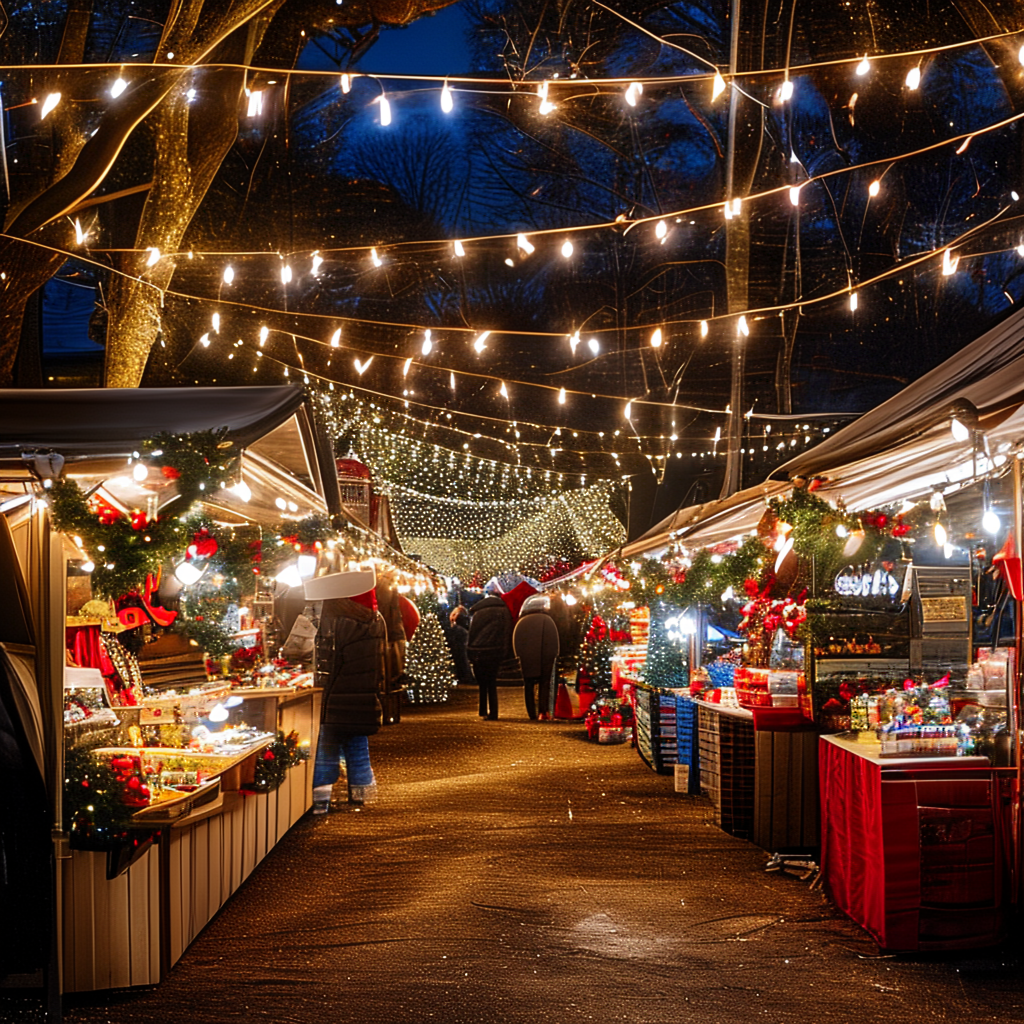
Christmas in July is uniquely Australian — a glorious piece of counterprogramming that turns our chilly southern winter into a festive goldmine. While the Northern Hemisphere basks in summer heat, Australians pull on their ugliest sweaters, pour mulled wine, and celebrate a mid-year Christmas complete with roasts, pine trees, and fake snow. For event organisers, Christmas in July markets have become one of the most reliable and profitable event formats in the Australian calendar. Here is everything you need to plan, promote, and execute a Christmas in July market that draws crowds and delivers serious return on investment.
Why Christmas in July Works in Australia
Christmas in the traditional Australian sense means beach cricket, sweating over the barbecue, and desperately trying to keep the pavlova from melting. It is wonderful, but it is not cosy. Christmas in July scratches a different itch entirely. Australians have absorbed decades of Northern Hemisphere Christmas imagery — snow-covered rooftops, roaring fireplaces, mulled wine, and thick woollen scarves — and Christmas in July is the one time of year when that fantasy actually makes sense.
Winter in Australia runs from June to August, with July being the coldest month in most capital cities. In the Blue Mountains, average July maximums hover around 10°C. Canberra regularly dips below freezing. The Adelaide Hills see frost. Melbourne's characteristic winter gloom finally earns its reputation. This cold weather creates the perfect atmosphere for a winter market: people genuinely want warm drinks, hearty food, fire pits, and indoor-outdoor festival spaces that lean into the season rather than fighting it.
From a commercial perspective, winter is the lean season for many Australian event organisers. Outdoor summer festivals and Christmas markets dominate from November through March, leaving June and July as a dead zone. Christmas in July markets fill that gap beautifully, offering event vendors a mid-year revenue boost and giving audiences something to look forward to during the coldest, greyest weeks of the year.
Popular Christmas in July Market Formats
Not all Christmas in July markets are created equal. The most successful events in Australia tend to fall into one of several proven formats. Choosing the right format for your location, audience, and budget is the single most important decision you will make.
Winter Wonderland Markets
These are the full-spectrum Christmas markets — think European-style stalls, fairy lights strung between evergreens, mulled wine stations, and carollers in wool coats. Winter wonderland markets work best in locations that already feel festive in winter. The Blue Mountains is the gold standard here: the Leura and Katoomba Christmas in July events routinely draw thousands of visitors each weekend, with stallholder fees ranging from $150 to $500 per day depending on size and category. Vendors selling handmade gifts, gourmet food, warm clothing, and Christmas decorations do exceptionally well.
Mulled Wine and Roast Dinner Festivals
Food-and-drink-focused Christmas in July events are exploding in popularity across Australia. The formula is simple: one ticket price covers a glass of mulled wine (or a mulled wine tasting paddle) and access to roast-dinner vendors, dessert stalls, and entertainment. The Melbourne Wine Room Christmas in July events sell out weeks in advance at $65 per ticket. In the Adelaide Hills, wineries like Hahndorf Hill host Christmas in July lunches paired with Austrian-style mulled glühwein, charging $85 to $120 per person for a multi-course feast. These events work because they offer a premium experience with a clear value proposition: warm food, warm drink, warm atmosphere.
Ugly Sweater Parties and Pub Crawls
For organisers with smaller budgets and a younger demographic, the ugly sweater format is hard to beat. These events are typically held in pubs, breweries, or community halls and revolve around a simple gimmick: wear your ugliest Christmas sweater, win a prize. Entry fees are low ($10 to $25), but beverage sales are high. The Brunswick Ballroom in Melbourne runs an annual Christmas in July Ugly Sweater Disco that sells 500+ tickets every year. The format works because it is social, photogenic, and requires minimal decoration beyond string lights and a tree.
Christmas Craft and Gift Markets
For families and daytime crowds, curated craft markets with a Christmas theme are a reliable draw. Think stallholders selling handmade ornaments, wreath-making workshops, gingerbread decorating stations, and Santa photo opportunities (yes, Santa in a scarf and beanie). The Canberra Christmas in July markets at the Old Bus Depot Markets attract over 8,000 visitors across a single weekend, with stallholder fees averaging $120 to $280. These markets succeed because they combine shopping, activities, and festive atmosphere into a single family-friendly destination.
Plan Your Christmas in July Market with Evntle
From vendor management to ticket sales to marketing automation, Evntle gives Australian event organisers the tools they need to run seamless winter markets. See how it works for your next event.
Book a free demo today →Vendor Recruitment Tips for Winter Christmas Events
Recruiting the right vendors is the difference between a market that feels like a Christmas celebration and one that feels like a regular shopping centre. Here is what experienced Australian market organisers look for when building their vendor roster for Christmas in July.
Prioritise Food and Beverage Vendors First
Winter events live or die on food and drink quality. Your beverage lineup should be anchored by mulled wine, mulled cider, hot chocolate (spiked and non-spiked), mulled gin, and perhaps a spiced rum station. On the food side, think roast meats, gravy-laden rolls, baked potatoes, soup in bread bowls, pies, puddings, and anything that smells amazing in cold air. Many organisers cap stall numbers at 60% food and drink to ensure enough variety while maintaining atmosphere. Stallholder fees for food vendors typically run 20-30% higher than craft vendors due to the higher foot traffic they generate.
Curate for the Winter Aesthetic
Reject vendors whose products feel generic or summery. Christmas in July markets should feel curated. Look for stallholders selling: handmade candles with winter scents (cinnamon, clove, pine), woollen blankets and scarves, handmade Christmas ornaments, artisanal hot sauce and preserves, winter-skincare products, and locally made wines and spirits. In regional areas like the Adelaide Hills and Blue Mountains, the local-produce angle is particularly strong — visitors come specifically to buy things they cannot get at home.
Offer Tiered Pricing and Incentives
Give your best vendors a reason to commit early. A common approach in Australian winter markets is tiered stall pricing: early-bird rates (e.g., $180/day for craft, $250/day for food) for vendors who book before April 30, standard rates ($230/$320) from May 1, and premium rates ($280/$400) for last-minute bookings. Adding a loyalty discount for vendors who also participated in your summer or spring markets can lock in repeat business and build a reliable vendor community.
Decoration Themes That Work in the Australian Winter
The decoration strategy for a Christmas in July market is different from a December Christmas market. You are not competing with summer light and greenery — you are leaning into winter's starkness and transforming it.
Snow and Ice (Faux, of Course)
Fake snow spray on windows, artificial snow blankets on stall roofs, and foam snow machines at key entrance points create an instant winter atmosphere. The most effective installations in Australian Christmas in July markets — including those at the Queen Victoria Market Winter Night Market and the Katoomba Christmas in July festival — combine white and silver decor with blue and cool-white LED lighting. Budget $500 to $2,000 for snow effects depending on the scale of your site.
Pine, Greenery, and Natural Textures
Real pine garlands, eucalyptus wreaths, and dried-flower arrangements in forest greens and burgundies read as both Christmas and winter. Many Australian event organisers source decorations from local flower farms at a fraction of the cost of imported tinsel and plastic baubles. Pine trees (real or rental) at stall intersections double as wayfinding markers and photo backdrops. Budget approximately $300 to $800 per major greenery installation.
Warm Lighting Is Non-Negotiable
In winter, the sun sets by 5:00 PM across most of Australia. By 5:30, your market needs to glow. String lights (warm white, not cool white), lanterns, fire pits, and candle-lit walkways are essential. A general rule from experienced organisers: double the lighting budget you think you need. Markets that skimp on lighting feel empty and cold in the wrong sense. Budget $1,000 to $5,000 for comprehensive lighting depending on site size.
Entertainment Ideas for Christmas in July Markets
Entertainment at a winter market needs to be more intimate and atmospheric than summer festival entertainment. Think acoustic, communal, and warm rather than loud and high-energy.
Christmas Carol Sessions: Local choirs or school groups performing classic Christmas carols in roving format work brilliantly. Position them near food courts and fire pits where people are already gathered. Budget $200 to $800 per session for a professional choir.
Fire Performers and Light Art: Fire twirling, fire breathing, and glow-in-the-dark performers are especially effective at winter evening markets because the darkness amplifies the drama. The Katoomba Winter Magic Festival rotates fire performers through the market from 6:00 PM to 9:00 PM with excellent results.
Santa by the Fire: A Santa Claus in a winter coat, beanie, and scarf sitting by a fire pit for photo opportunities is one of the most effective photo ops in Australian event marketing. Families will queue for 20 minutes. Charge $15 to $25 for a professional photo or include it in an entry ticket.
Workshops and Experiences: Wreath-making, gingerbread-decorating, and candle-making workshops work exceptionally well at Christmas in July markets because they give people a reason to stay for 45 minutes, buy a warm drink, and walk the market afterwards. Charge $25 to $55 per workshop participant.
Ready to Launch Your Christmas in July Market?
Evntle helps you manage every aspect of your winter market — from vendor applications and stall allocation to ticketing, marketing campaigns, and on-the-day check-in. Thousands of Australian event organisers trust Evntle to run their seasonal events.
Get started with Evntle →Marketing Angles That Drive Christmas in July Ticket Sales
Marketing a Christmas in July event requires a different approach than a standard summer event. Here are the angles that work best for Australian audiences based on data from events across the country.
Lean Into the Novelty
Christmas in July is still a novelty for many Australians, and novelty drives ticket sales. Your marketing should position the event as a unique experience — a rare chance to experience a white Christmas without leaving Australia. Use imagery of snow, fog, frost, warm drinks, and cosy scenes. Social media campaigns on Instagram and Facebook with high-contrast winter photography consistently outperform summer-themed content by 35-50% in engagement during the June-July period according to data from major Australian event organisers.
Use Weather in Your Favour
When a cold snap hits, your marketing should be there. Triggered email campaigns and social ads that go live when the forecast drops below 10°C can increase ticket sales by up to 40%. Phrases like "it is freezing out there — come warm up at our Christmas market" directly connect the weather outside to the warmth inside your event. Evntle's marketing automation tools let you set up weather-triggered campaigns so you never miss a cold front.
Partner with Local Accommodation Providers
For regional events in the Blue Mountains, Adelaide Hills, Mornington Peninsula, or Southern Highlands, accommodation partnerships are essential. Bundle your market entry with a stay at a local hotel, cabin, or B&B. The Bundanoon Christmas in July festival partners with 12 local accommodation providers to offer packages starting at $199 per couple (including market entry, a mulled wine tasting, and breakfast). These packages drive higher average revenue per attendee and extend the economic benefit into the local tourism economy.
Best Australian Locations for Christmas in July Markets
While Christmas in July markets can work anywhere with cold weather and a willing community, certain locations in Australia have proven particularly successful.
Blue Mountains, NSW: The undisputed capital of Australian Christmas in July. The Leura Christmas in July festival draws 20,000+ visitors across two weeks. Average July temperature: 10°C max, 2°C min. The cool climate, pine forests, and existing tourism infrastructure make it ideal.
Melbourne, VIC: The Queen Victoria Market Winter Night Market is the benchmark for urban winter events, drawing up to 25,000 visitors per session. The city's cafe and bar culture translates perfectly to winter market formats.
Canberra, ACT: Canberra's cold winters (average July max of 11°C, min of 0°C) make it a natural fit. The Canberra Christmas in July markets regularly sell out with 8,000+ visitors per weekend.
Adelaide Hills, SA: Wineries like Hahndorf Hill, Bird in Hand, and Shaw + Smith host premium Christmas in July events that position winter as a luxury experience rather than a hardship. Ticket prices of $85-$150 per person reflect the premium positioning.
Southern Highlands, NSW: Bowral and Bundanoon host Christmas in July events that lean into the region's English-village aesthetic. The Bundanoon event attracts 10,000+ visitors annually.
FAQ: Christmas in July Markets in Australia
What is Christmas in July?
Christmas in July is a mid-year Christmas celebration observed in countries with southern-hemisphere winters, most notably Australia. It typically involves Christmas decorations, festive food and drink (especially roasts and mulled wine), gift exchanges, and social gatherings — all designed to capture the cosy winter Christmas atmosphere that Australians rarely experience during their actual summer Christmas in December.
Do Christmas in July markets make money?
Yes, well-run Christmas in July markets are highly profitable. Stallholder fees typically range from $120 to $500 per day, and attendance at established events can reach 10,000 to 25,000 visitors per weekend. Food and beverage markets with entry fees of $10 to $25 per person can generate six-figure revenue from ticket sales alone. The key is location (cold-weather destinations like the Blue Mountains or Canberra perform best), vendor curation, and effective marketing that starts at least 8 to 10 weeks before the event.
What vendors should I recruit for a Christmas in July market?
Focus on vendors that align with the winter theme: mulled wine and mulled cider stalls, hot chocolate and spiced drink vendors, roast food and pie sellers, handmade candle and winter skincare brands, woollen clothing and accessory makers, Christmas ornament and decoration sellers, and workshop facilitators for wreath-making or gingerbread decorating. A good rule of thumb is to aim for 60% food and beverage vendors and 40% craft and gift vendors.
When is Christmas in July celebrated in Australia?
Christmas in July events are held throughout July, with most taking place on weekends. Some organisers start as early as the last weekend of June and continue through to the first weekend of August. The most popular dates are the second and third weekends of July, when winter is at its coldest and school holidays in most states have finished.
How do I market a Christmas in July event?
Start marketing 8 to 10 weeks before your event. Use a mix of Instagram and Facebook advertising with high-contrast winter photography, email campaigns to your existing database, partnerships with local accommodation providers, weather-triggered promotions (ads that go live when the forecast drops below 10°C), and local media outreach to community newspapers and radio stations. Highlight the novelty of the experience, the quality of the food and drink, and the cosy winter atmosphere. Use an event management platform like Evntle to automate your ticketing, marketing, and on-the-day operations.
📖 Related
See the KDS and POS in action — try the live demo or create a free account.