
Event Insurance Guide for Australian Organisers: What You Need to Know
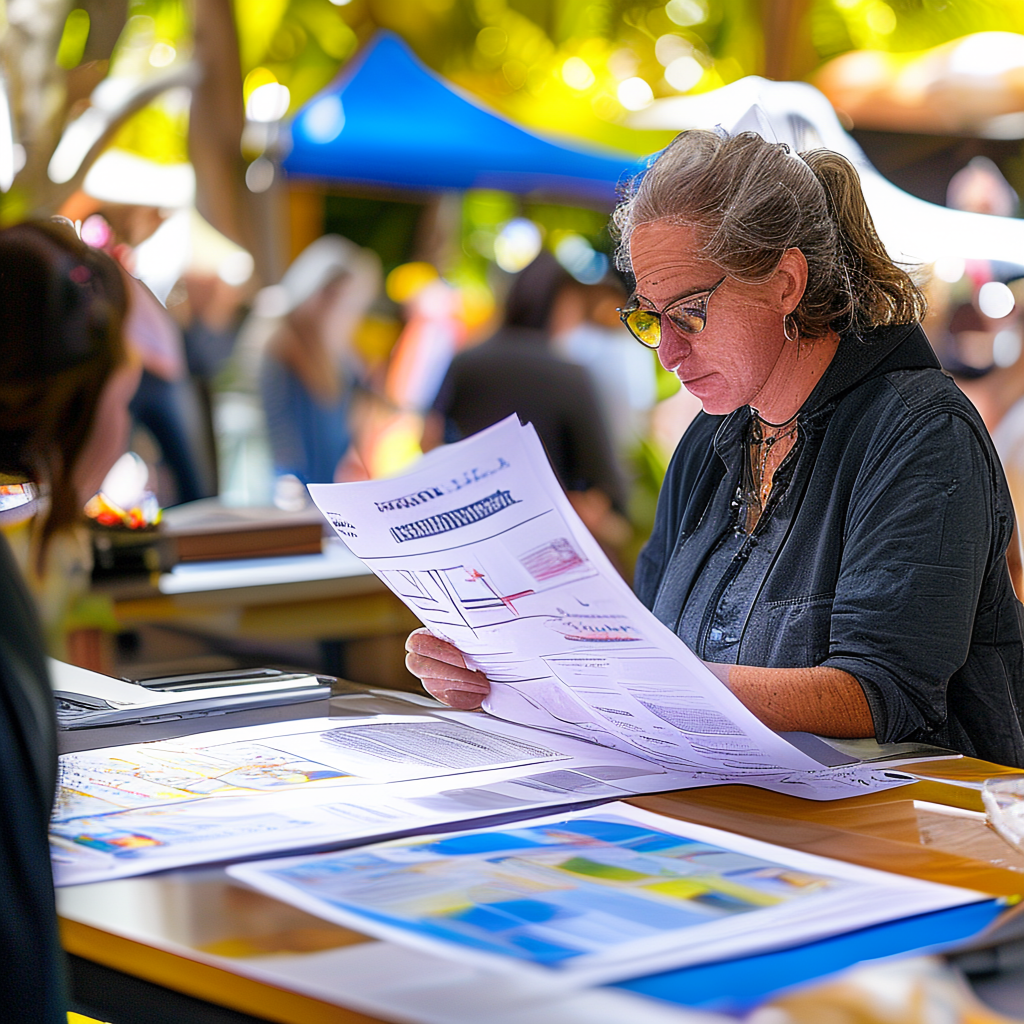
Running an event in Australia comes with plenty of moving parts — vendors, venues, ticketing, marketing, scheduling. But one thing that should never slip through the cracks is event insurance. Whether you're organising a small community market in regional Victoria or a major festival in Sydney's CBD, having the right insurance coverage is not just smart planning — it's often a legal requirement.
Australian event organisers face unique risks, from unpredictable weather extremes to strict council and venue liability demands. This guide breaks down exactly what insurance you need, how much it costs, where to get it, and how to make sure you're properly protected.
Why Event Insurance Matters in Australia
Every year, thousands of events across Australia — from food truck rallies to weddings, sports tournaments, and live music festivals — proceed without a single incident. But it only takes one accident to derail your event and your finances. A guest trips over a loose cable, a food vendor causes a food poisoning outbreak, or a sudden storm damages expensive equipment. Without insurance, you're personally liable.
Beyond protecting yourself, most Australian venues and local councils require proof of insurance before they'll grant approval. Local councils in particular have become more stringent post-COVID, with many adopting standardised risk management frameworks. If you can't show a valid Certificate of Currency, your event simply doesn't happen.
Types of Event Insurance Every Organiser Should Know
Public Liability Insurance
This is the non-negotiable foundation of event insurance in Australia. Public liability covers you if a third party — an attendee, vendor, or passerby — is injured or their property is damaged because of your event.
Standard coverage amounts:
- $10 million — minimum for many small events, markets, and community gatherings
- $20 million — the standard for medium-to-large events, festivals, and most council requirements
- $50 million+ — typically required for major public events, stadium bookings, and high-risk activities
What public liability covers:
- Injury to attendees (slips, trips, falls, equipment accidents)
- Damage to the venue or third-party property
- Legal defence costs if you're sued
- Medical expenses for injured parties
What it does NOT cover:
- Injury to your own employees (that's workers compensation)
- Damage to your own equipment or property
- Event cancellation or postponement
- Intentional acts or criminal behaviour
- Alcohol-related incidents (may require a separate policy or endorsement)
Workers Compensation Insurance
If you employ staff — even casually — you're legally required to hold workers compensation insurance in every Australian state and territory. This covers medical expenses, lost wages, and rehabilitation if an employee is injured while working at your event.
Note that contractors (e.g., AV technicians, caterers) are typically responsible for their own insurance, but if you engage volunteers, you may need a separate volunteer insurance policy or an extension to your public liability.
Volunteer Insurance
Many Australian events rely on volunteers for staffing. Standard public liability policies don't cover volunteers for personal injury. If you use volunteers, you need either a standalone volunteer insurance policy or a specific add-on to your public liability coverage. Organisations like Volunteering Australia and state-based volunteering bodies offer guidance and group insurance options.
Property Damage and Equipment Insurance
Your gear — staging, sound systems, marquees, catering equipment, lighting rigs — represents a significant investment. Property damage insurance covers loss, theft, or damage to your equipment during the event. For smaller organisers, this can often be added as an extension to your public liability policy rather than taken out separately.
Event Cancellation Insurance
Australian weather is famously unpredictable. From bushfire smoke haze to flash flooding, heatwaves to cyclones — cancellation insurance covers lost revenue and sunk costs if your event has to be postponed, cancelled, or abandoned due to circumstances beyond your control. This typically covers:
- Venue hire fees (non-refundable deposits)
- Performer and speaker fees
- Marketing and promotional costs already spent
- Equipment hire cancellations
- Supplier deposits
Pandemic-related cancellation (including COVID-19) is usually excluded unless specifically endorsed. Post-2020, many Australian insurers added explicit pandemic exclusions, so read the fine print carefully.
Not sure what coverage your event needs?
Getting the right insurance starts with knowing your event inside and out. Use Evntle to manage vendors, venues, and risk planning in one place — then take those details straight to your insurer for accurate quotes.
Book a free demo →How Much Does Event Insurance Cost in Australia?
Insurance costs vary significantly based on your event type, size, location, risk profile, and claims history. Here are realistic price ranges based on the Australian market as of mid-2026:
| Event Type | Public Liability (Annual) | Covers $20M |
|---|---|---|
| Small community market (monthly) | $400 – $800 | Yes |
| Food truck event / stall | $600 – $1,200 | Yes |
| Medium festival (1,000–5,000 attendees) | $1,500 – $3,000 | Yes |
| Large festival (5,000+ attendees) | $3,000 – $8,000+ | Yes |
| One-day event (single occurrence) | $150 – $500 | $10-20M |
| Wedding / private function | $100 – $300 (one-day) | $10M |
These are indicative only. Your actual premium depends on factors like whether alcohol is served, whether there are amusement rides or inflatables, the age profile of attendees, and your organisation's claims history.
Choosing an Event Insurance Provider in Australia
Australia has a competitive insurance market with several providers specialising in events. Here's how the major players compare:
Club Marine
Well-known for marine insurance but also offers comprehensive event insurance for community and sporting events. Good choice for aquatic or waterside events, boat shows, and regattas.
Oamps (One Answer Mortgage & Property Services)
Oamps is one of Australia's largest specialist event insurers. They cover everything from small community gatherings to major festivals. Their online portal makes it easy to get a quick quote and instant Certificate of Currency — a big plus when you need proof of insurance fast for venue approval.
BizCover
An online insurance marketplace that lets you compare quotes from multiple insurers including Allianz, QBE, and others. Great for small-to-medium event organisers who want to shop around quickly. Their platform is designed for small businesses and event professionals.
CGU Insurance
A major Australian insurer offering event-specific policies through brokers. Better suited to larger events and established organisers who need higher coverage limits. They also offer combined event packages that bundle public liability with property and cancellation cover.
Allianz Australia
One of the country's largest general insurers. Allianz offers event insurance through their special events division and via brokers. Particularly strong for large-scale events with high attendee numbers and for organisers who want the backing of a major international brand.
Venue and Council Requirements for Insurance
Every Australian venue and council will have specific insurance requirements. Here's what you'll typically need to show:
- Certificate of Currency — A document from your insurer showing your policy is active, the coverage amount, and the policy period. Must name the venue or council as an "interested party" or "additional insured" in many cases.
- Minimum $10-20M public liability — Most metropolitan councils (City of Sydney, Melbourne City Council, Brisbane City Council) require $20M. Regional councils may accept $10M for smaller events.
- Evidence of risk management plan — Many councils now require a documented risk assessment as part of your event application, especially for events serving alcohol or involving high-risk activities.
- Food vendor insurance checks — If your event includes food vendors, councils will typically require each vendor to hold their own public liability insurance (minimum $10-20M) and provide evidence.
For example, the City of Sydney requires event organisers to hold $20 million public liability insurance and name the council as an additional insured. Melbourne City Council similarly requires $20 million for events on council land. Always check with your specific council — requirements can vary significantly between LGAs even in the same state.
Special Events Insurance vs Annual Policies
One of the most common questions from new organisers is whether to buy a one-off policy or an annual one.
One-Day (Special Events) Insurance
Perfect for organisers running a single event, wedding, or market stall. You can get covered for as little as $150-$500 for the day. The application is fast — often completed online in under 10 minutes — and you receive an instant Certificate of Currency. Great for pop-up events, fundraisers, and first-time organisers testing the waters.
Annual Event Insurance
If you run multiple events per year (e.g., a monthly market, a touring festival series, or a sports league), an annual policy is more cost-effective. You pay once and get coverage for all events during the 12-month period. Many annual policies also include cover for event preparation and pack-down days, not just the event itself.
A good rule of thumb: if you run 3 or more events per year, an annual policy will likely save you money compared to buying individual policies for each event.
How to Get Insured as a New Event Organiser
If you're organising your first event, the insurance process can feel daunting — but it doesn't need to be. Here's a step-by-step approach:
- Know your event risk profile. Write down the date, location, expected attendance, activities (including whether alcohol is served, amusements present, etc.), vendor count, and whether you have employees or volunteers.
- Check venue and council requirements. Ask your venue directly what insurance minimums they require. Check your local council's event application guidelines online.
- Get quotes from at least two providers. Try Oamps and BizCover to start — both give fast online quotes. If your event is larger or higher-risk, contact a broker who can access insurers like CGU or Allianz.
- Review the Product Disclosure Statement (PDS). Yes, it's tedious, but the PDS contains exclusions and limits that matter — especially around weather, cancellation, and alcohol.
- Buy your policy. Once you've chosen, purchase online or through your broker. Make sure you receive a Certificate of Currency naming any additional insureds (venue, council) before the event date.
- Keep records. Store your policy documents, certificates, and risk assessments. You may need to show them on event day.
Streamline your event planning — including insurance prep
From managing vendor insurance checks to keeping all your documents in one place, Evntle helps Australian organisers run safer, smarter events. Start your journey today.
See how Evntle can help →Do Market Vendors Need Their Own Insurance?
Yes, almost always. If you're a stallholder at a market, food truck event, or festival, the event organiser's public liability policy generally does not cover you individually. Most market organisers in Australia require each vendor to hold their own public liability insurance — typically $10-20 million — and to show a Certificate of Currency before they're allowed to trade.
If you run a food business, you may also need product liability insurance (which covers claims related to the food you sell) and, for mobile operations, motor vehicle insurance for your van or truck.
The cost for a market vendor's annual public liability policy starts from around $400-$800 per year. One-day cover for casual or pop-up stalls starts from around $100-$250 for the day. Providers like BizCover and Club Marine are popular choices for market vendors.
FAQ: Event Insurance for Australian Organisers
What insurance do I need for my event?
At a minimum, you need public liability insurance (usually $10-20 million). If you have employees, you're legally required to hold workers compensation insurance. If you use volunteers, consider volunteer insurance. For larger events, add event cancellation and property damage insurance. Always check your venue and council requirements, which may mandate specific coverage types and amounts.
How much does event insurance cost in Australia?
Costs range from around $150-$500 for a single-day event policy to $400-$3,000+ per year for an annual public liability policy, depending on event size, attendance, risk factors, and coverage amount. Larger festivals with 5,000+ attendees may pay $3,000-$8,000+ annually. Food vendors typically pay $400-$1,200 per year.
Do market vendors need their own insurance?
Yes. The event organiser's policy does not cover individual stallholders. Most Australian market organisers require vendors to hold their own public liability insurance (minimum $10-20 million) and provide a current Certificate of Currency. Food vendors may also need product liability insurance.
What is public liability insurance?
Public liability insurance protects you if a third party — such as an attendee, vendor, or member of the public — is injured or their property is damaged due to your event activities. It covers legal defence costs, medical expenses, and compensation payouts. It is the standard insurance required by Australian venues and councils for any public event.
Can I get one-day event insurance?
Absolutely. One-day (also called special events) insurance is widely available from Australian providers like Oamps, BizCover, and Club Marine. You can apply online, get a quote instantly, and receive your Certificate of Currency the same day. Expect to pay around $150-$500 for $10-20 million in public liability coverage for a single day. It's the perfect solution for pop-up events, weddings, fundraisers, and first-time organisers.
Final Thoughts
Event insurance isn't the most glamorous part of organising an event, but it's absolutely essential. With the right coverage, you can focus on delivering an amazing experience for your attendees — knowing that you, your team, and your finances are protected if something goes wrong.
The Australian event insurance market is competitive and accessible. Whether you're running a small neighbourhood market in Adelaide or a multi-day music festival on the Sunshine Coast, there's a policy and provider that fits your needs and budget. Start with public liability, check your venue and council requirements, and build from there.
And remember: good planning is the best insurance of all. Use tools like Evntle to manage event logistics, vendor compliance, and risk documentation — so when it's time to talk to your insurance provider, you've got everything organised and ready to go.
📖 Related
See the KDS and POS in action — try the live demo or create a free account.