
How to Get Sponsors for a Market or Festival in Australia
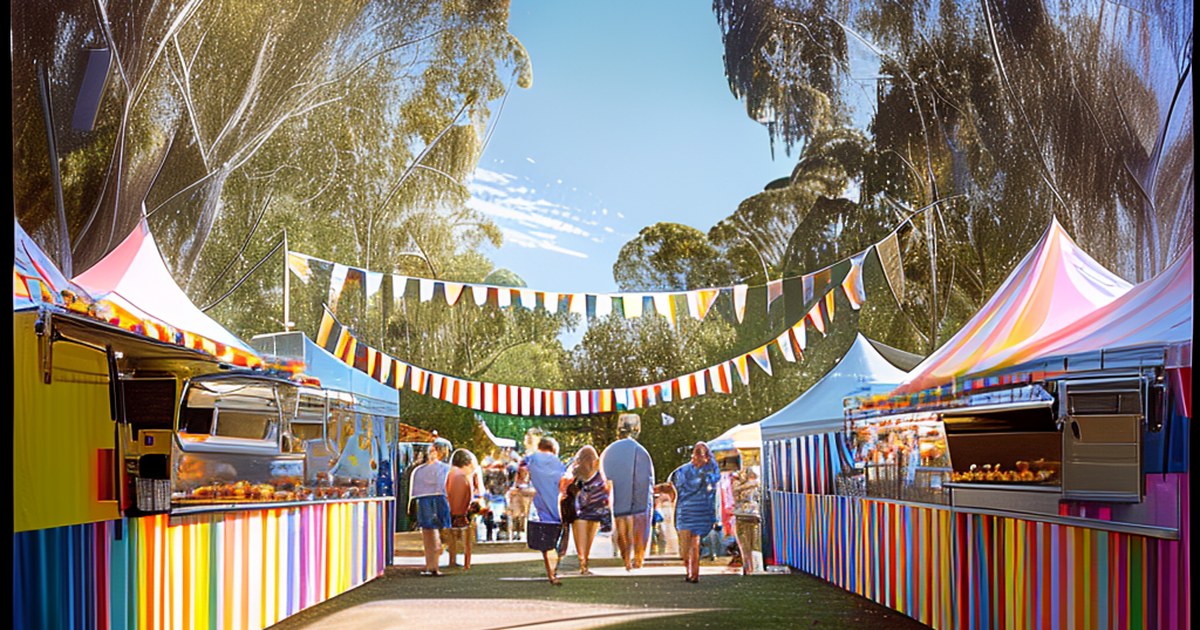
Most Australian market and festival organisers run on stall fees alone, and stall fees are a ceiling. Vendors can only pay so much before your event stops being worth their Saturday, so the moment you add a stage, security, extra toilets, traffic management or a marketing budget, the maths stops working. Sponsorship is the line item that closes that gap - and unlike stall fees, it does not require you to find more vendors or more space.
But sponsorship is not a donation and it is not an ad. It is a trade: money, goods or services in exchange for a defined, measurable benefit. The organisers who raise $10,000 to $50,000 a year from sponsors are not better salespeople than everyone else - they simply build a proper inventory, price it honestly, ask the right businesses at the right time, and then report back like a professional. This guide walks through the whole process for Australian markets, fairs, food festivals and community events.
Why Sponsorship Matters More Than Ever in Australia
The cost base of running a public event in Australia has climbed sharply. Public liability cover, security for licensed areas, waste management, fencing, generators, traffic management plans, first aid and council permit fees all move in one direction. Meanwhile, the price a market stall can realistically charge is anchored to what a vendor can earn in a day of trading.
Sponsorship solves a different problem than ticketing or stall fees. Ticketing revenue scales with attendance, which means it scales with your marketing spend and your risk. Sponsorship is revenue you can bank before the gates open, which is exactly when you need it - deposits on infrastructure, artist bookings and insurance premiums all land months before the first dollar comes in at the gate.
There is also a compounding effect. A sponsor who sees a clear, professional return on year one is dramatically easier to re-sign in year two, and renewals cost you almost nothing to acquire compared with new business.
Understand What a Sponsor Is Actually Buying
The single most common reason a sponsorship pitch fails is that it sells logo placement instead of an outcome. A logo on a banner is not a benefit; it is a deliverable that produces a benefit, and you need to know which benefit you are offering.
Small and medium local businesses in Australia typically sponsor for one or more of these reasons:
- Foot traffic - a real estate agency, cafe or gym within a few kilometres of your site wants people through the door, not impressions.
- Local credibility - being visibly attached to a well-run community event is worth more than the equivalent spend on ads for many businesses.
- Staff and community goodwill - banks, dealerships and franchises have community budgets and want evidence of local engagement.
- Sampling and direct sales - a brewery, coffee roaster or food brand wants people to taste or buy the product on the day.
- Lead capture - a mortgage broker, builder or driving school wants names, in a legitimate and consented way.
- Political and stakeholder goodwill - councils, tourism bodies and utilities sponsor to be seen supporting local activity.
Once you know which benefit you are offering, everything else - the package, the price, the pitch email - becomes much easier to write. A business that wants foot traffic will pay for a high-visibility activation near your entrance. A business that wants community credibility will pay for the kids' zone naming rights and a photo opportunity with the mayor.
Sponsorship is not advertising, and not a grant
Advertising buys space. Sponsorship buys an association and a set of experiences. Grants are funding you apply for from government or philanthropic programs, and they do not come with a commercial return expectation - which is why grants are assessed slowly, on application rounds, and rarely fund the same event twice in a row. Treat sponsorship and grants as two separate pipelines; do not tell a business you are offering a "sponsorship opportunity" when you mean you want a donation, and do not expect a grant to behave like a sponsor.
Build Your Sponsorship Inventory First
Before you write a single email, write down everything you own. Most organisers undercount their inventory by a factor of three, because the things sponsors value most are not the things organisers first think of.
Start with the obvious assets:
- Event naming rights (for example, "The [Sponsor] Winter Night Market")
- Stage, main arena or entry arch naming
- Kids' zone, chill-out zone, dog park or seating area naming
- Signage on entry gates, fencing, bunting, banners and site maps
- Digital: your website, event page, eDM newsletter, social posts and stories
- On-site announcements across the PA and any big screens
- Program and site map advertising space
- Stallholder communications - an audience of small businesses is genuinely valuable to suppliers
- Goodie bags, reusable cups, wristbands, lanyards, tote bags
Then add the assets that actually close deals:
- Category exclusivity - the right to be the only bank, telco, brewery or real estate agency at your event
- Product sampling and on-site sales rights in a defined area
- Access to attendees through a competition, activation or lead capture with consent
- Stakeholder access - introductions to your council contacts, venue management or sponsor's target customers among your vendors
- Staff engagement - volunteering, judging competitions, presenting awards
- Content - professional event photography and video featuring their brand in use
Decide what you will never sell
Your inventory needs a fence around it. If you sell exclusivity to a beer brand, you cannot sign a second beer sponsor next month - and you cannot promise exclusivity in a category where your own stallholders are selling. Many markets have vendors whose entire day's trade is in the category a sponsor wants to own, so either carve the category out of the sponsor's exclusivity, or make it clear in the vendor application that a sponsor holds those rights. Getting this wrong costs you a vendor, a sponsor, or both.
Write a Sponsorship Prospectus Buyers Can Actually Read
A prospectus is your sales document, not your biography. Aim for four to eight pages in a clean PDF under 5MB so it opens on a phone, and lead with the audience.
Include:
- One-page summary - what the event is, when and where, expected attendance, what you are asking for, and the deadline to commit
- Audience data - attendance figures (last year's actual, not this year's hope), demographic mix, average dwell time, vendor and stall numbers, postcode spread if you capture it, and social and media reach
- Photography from previous events - this is the single most persuasive page in the document. Photos of real crowds, real activations and real sponsor signage beat stock imagery every time
- Packages and prices - three to four tiers, each with a specific list of deliverables and a total value the sponsor can compare against
- Timeline and deadlines - when artwork is needed, when signage goes to print, when the event runs
- Contact details for one named person - not a generic enquiries inbox
Price with a method, not a feeling
Work from a cost-per-attendee figure and build backwards. For a community market drawing around 5,000 attendees, a headline naming-rights presence often lands in the $3,000 to $10,000 range in regional and suburban Australia, with supporting packages between $500 and $3,000 and in-kind partners providing services rather than cash. Larger city festivals with 30,000 to 50,000 attendees price far higher, but the method is the same: what does one thousand engaged, on-site, local people cost a business to reach by any other means, and what fraction of that value are you delivering?
Three rules keep pricing honest:
- Never discount without removing a deliverable. Cutting the price while keeping the benefits teaches every sponsor that your prices are fiction.
- Value in-kind properly. A supplier donating $2,000 of fencing, ice, coffee or printing is a sponsor at the $2,000 tier and should be listed as one. Contra deals are real revenue - they reduce your costs.
- Ask for a deposit. A 50% deposit on signing, balance on invoice before the event, is standard and normal.
Where to Find Sponsors in Australia
The sponsors most likely to say yes are not national brands. They are businesses that already care about your patch, and the fastest route to them is proximity.
- Within five kilometres of your site - real estate agencies, gyms, dental and medical practices, cafes, bakeries, hardware stores, driving schools, childcare centres, veterinary clinics, accountants and lawyers
- Category businesses with community budgets - bank and credit union branches, car dealerships, telcos, insurers, utilities and franchise groups
- Suppliers who already sell into your event - packaging, coffee, refrigeration, marquee, power, waste and POS suppliers all have marketing budgets and an obvious reason to be visible at the event they service
- Local producers and drinks brands - breweries, distilleries, wineries and food manufacturers who want sampling rights
- Councils and state tourism bodies - often as a mix of cash, fee waivers, in-kind services and promotion, though these usually come with branding and reporting conditions
- Last year's sponsors and their competitors - a renewal conversation is the cheapest sale you will make, and a competitor of a lapsed sponsor is often curious about what they missed
The local-first rule
National brands triage inbound sponsorship requests through marketing teams and agency processes, and a twice-yearly community market rarely clears their threshold. A local business owner can make a decision in a single conversation, sees value in foot traffic, and will often sponsor for years. Spend your effort where the decision cycle is one conversation long.
How to Write the Pitch (and the Follow-Up)
Timing matters as much as the pitch. Approach sponsors eight to sixteen weeks before the event so their artwork can make it into print and their budget cycle allows the spend. Many Australian businesses plan marketing spend on a July-to-June financial year, so pitches in the first half of the calendar year for a spring or summer event land while budgets are still open.
Keep the first email short - under 200 words, personally addressed, with one clear ask and one attachment. Address the owner or marketing manager by name, not "info". Then follow up by phone three to five days later, and cap yourself at two follow-ups before moving on.
Subject: Sponsoring [Event Name] - 5,000 locals on 14 March
Hi [Name],
I run [Event Name], the [day/month] market at [Location] that drew about 5,000 people last year. We are putting together our 2027 sponsorship round now and I wanted to ask whether [Business] would consider the [Tier Name] package.
For [amount] you would get [top three deliverables - e.g. naming rights on the entry arch, a branded activation space near the main gate, and your logo on every one of our 4,000 program handouts]. Our vendors are local small businesses, and around 70% of attendees live within 10km of the site.
The full prospectus is attached - it is five pages. If it is easier, I can call you on [day] at [time] for ten minutes and answer any questions. Would that suit?
Thanks,
[Name]
[Event Name] | [Phone] | [Email]
Notice what the email does not do: it does not describe the event's history at length, it does not attach a 40-page deck, and it does not ask for a favour. It offers a specific package, at a specific price, with specific deliverables, and asks for a small next step.
Put the Deal in Writing
A one-page agreement protects both sides and makes the event day calmer. At minimum, cover:
- Deliverables and dates - exactly what you will provide, where, and by when
- Fee, GST and invoicing terms - deposit amount, balance due date, payment method and who issues the tax invoice
- Exclusivity - the category the sponsor owns and what is excluded from it
- Artwork and signage deadlines - with a clear note that late artwork cannot be guaranteed a place in printed materials
- Insurance - the public liability cover you hold (many councils require a certificate of currency, commonly for at least $20 million) and any requirements for the sponsor's own cover
- Cancellation, postponement and weather - what happens to the fee if the event is cancelled by a total fire ban, severe weather, or public health direction
- Reporting - a commitment to send a post-event summary
Sponsorship payments are consideration for a supply, so if your event is registered for GST, the fee generally includes GST and you must issue a tax invoice. This is different from a genuine gift, and it is worth confirming your own treatment with an accountant before you sign a multi-year deal.
Deliver, Then Report Like It Matters
Renewals are won after the event, not during it. Build a simple reporting rhythm:
- Before the event - confirm artwork early, announce the sponsorship publicly, tag the sponsor in your launch posts
- On the day - photograph the sponsor's signage with a full crowd in frame, have a committee member personally thank them on site, mention them in PA announcements, and record actual attendance
- Within two weeks - send a one-page report: actual attendance versus forecast, social media reach and engagement, the list of deliverables fulfilled, three or four photographs, and any vendor or attendee feedback that supports their involvement
- Immediately after that - open the renewal conversation for next year while the good numbers are fresh, and lock in the same category for them before you speak to their competitors
Organisers who report properly keep most of their sponsor base year on year, which turns sponsorship from a yearly scramble into predictable event income.
Common Sponsorship Mistakes Australian Organisers Make
- Starting too late. A pitch six weeks before the event cannot offer signage or print deadlines, which is exactly what many sponsors want.
- Asking for money before defining value. "Would you like to sponsor us?" gives the business nothing to evaluate.
- One package for everyone. A $500 in-kind deal and a $9,000 naming rights deal need different deliverables - and different conversations.
- Ignoring in-kind sponsors. They cut your costs and often convert to cash in year two if they are treated like sponsors.
- Clashing with your own vendors. Selling exclusivity in a category your stallholders trade in quietly damages the market you built.
- Going silent after the event. No report means no evidence, and no evidence means no renewal.
Frequently Asked Questions
How much should I charge a sponsor for a local market or festival?
Work backwards from attendance and compare with what it costs local businesses to reach the same people. For a market of around 5,000 attendees, headline naming rights commonly sit between $3,000 and $10,000, supporting packages between $500 and $3,000, with in-kind partners valued for the services they provide. Price the deliverables, not the sponsor's budget.
How far in advance should I approach sponsors?
Eight to sixteen weeks out is the practical window, which allows time for artwork, printed signage and their budget approval. For larger events, six to nine months gives you a chance to align with annual marketing plans and financial-year budget cycles.
Do I need a written sponsorship agreement in Australia?
There is no requirement for a particular format, but a short written agreement is strongly recommended. It should set out deliverables and dates, fees and GST treatment, exclusivity, artwork deadlines, insurance arrangements and what happens if the event is postponed or cancelled.
Is sponsorship income subject to GST in Australia?
Sponsorship is payment for a supply, so if your event is registered for GST, the sponsorship fee generally includes GST and you should issue a tax invoice. Genuine donations are treated differently. Confirm your specific treatment with an accountant or the ATO before committing to a multi-year agreement.
Can a small market with under 1,000 attendees get sponsors?
Yes, but the packages change. Small markets do best with in-kind support and low-cost local packages - a $300 contribution for a logo on the site map, a stall for sampling, or printing donated by a local business - and then grow the ask as attendance and evidence grow.
Ready to offer sponsors something worth backing? Evntle gives organisers stallholder applications, vendor management, event-day coordination and the numbers you need to show a sponsor exactly what their money delivered. Try the live demo, compare plans on the pricing page, or create a free account and start building a market sponsors want to be part of.
📖 Related
See the KDS and POS in action — try the live demo or create a free account.