
July School Holiday Events: Complete Planning Guide for Australian Families 2026
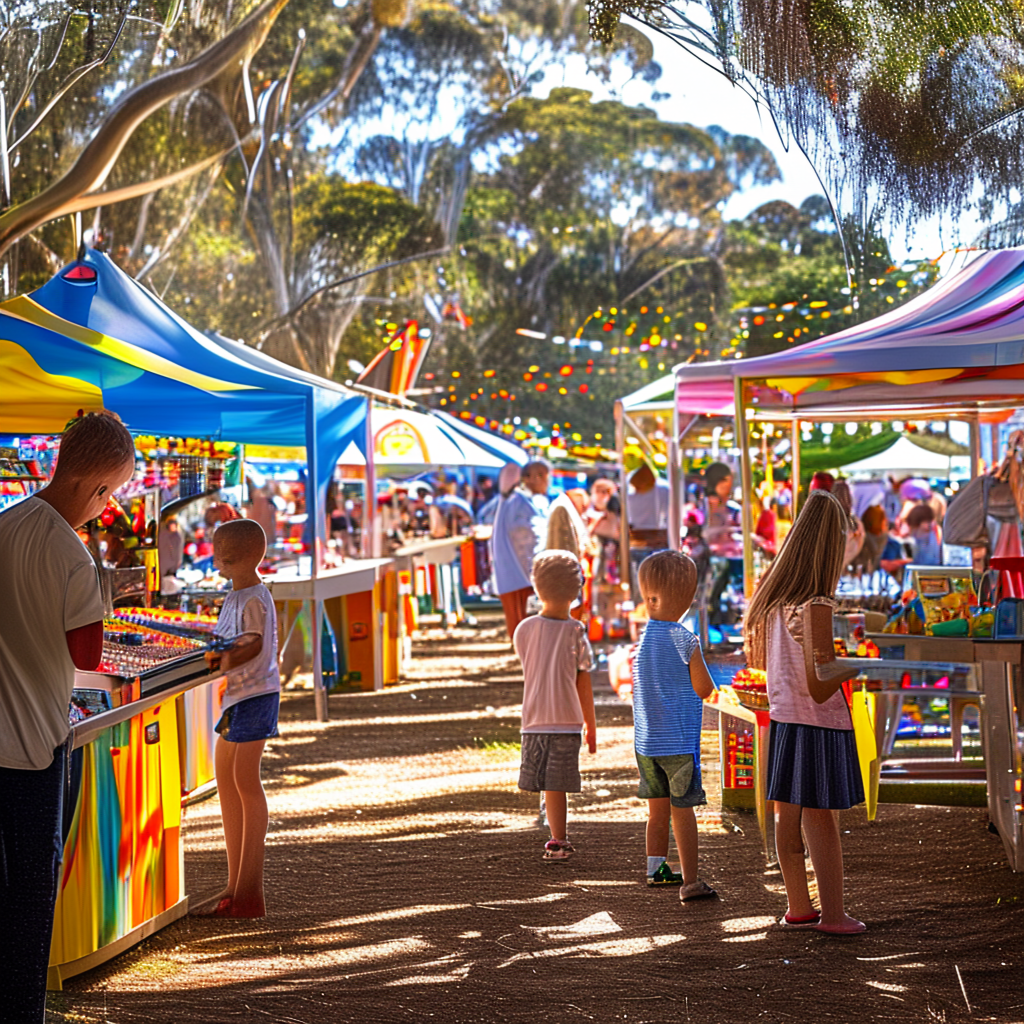
The July school holidays are one of the busiest periods on Australia's events calendar. With winter in full swing and families looking for indoor and outdoor activities to keep kids entertained across a two-week break, event organisers have a golden opportunity to attract family audiences. This guide covers everything you need to plan, price, market and deliver standout July school holiday events in 2026.
When Are the July School Holidays in Australia 2026?
In 2026, most Australian states run their winter school holidays from Monday 29 June to Friday 10 July (two weeks), though the exact dates vary slightly by state:
- NSW: 29 June – 10 July
- Victoria: 29 June – 10 July
- Queensland: 29 June – 10 July
- Western Australia: 6 July – 17 July
- South Australia: 29 June – 10 July
- Tasmania: 29 June – 10 July
- ACT: 29 June – 10 July
- Northern Territory: 29 June – 10 July
Because Queensland and WA school holidays are slightly offset, consider running your event in the overlapping fortnight to maximise attendance from both local and visiting families.
Top July School Holiday Event Types for Australian Families
Winter Festivals and Markets
Winter-themed festivals are a huge draw during the July holidays. Think European-style Christmas-in-July markets, fire pits, mulled wine and hot chocolate stations, and live acoustic music. The Christmas in July concept is particularly popular in Melbourne, the Blue Mountains, and the Adelaide Hills. Entry fees of $5–$15 per adult (kids free or half price) work well, with revenue coming from vendor stall fees and on-site food and beverage sales.
Indoor Play Centres and Pop-Up Adventures
With cold and wet weather across much of the country, indoor play centres, trampoline parks, laser tag arenas and escape rooms see peak demand. Bookings should be offered in two-hour sessions at $25–$45 per child with sibling discounts. Consider running themed sessions — "Winter Wonderland," "Pirate Adventure" or "Science Lab" — to differentiate from everyday play centre visits.
Craft, Cooking and STEM Workshops
Hands-on workshops appeal to parents seeking educational value. Half-day craft workshops (pottery, painting, knitting) or STEM sessions (coding, robotics, slime-making) can be priced at $35–$70 per child. Partner with local artisan studios or science centres to keep costs manageable. School holiday workshop bookings typically open 4–6 weeks in advance and sell out fast, so early marketing is critical.
Movie and Cinema Events
Family movie screenings — including winter-themed classics and new releases — are reliable crowd-pleasers. Pop-up cinemas in school halls, libraries or community centres with a gold-coin donation or $10–$15 ticket are accessible options. Bundle a snack pack (popcorn, drink, lolly bag) for an additional $8–$12 to boost per-head revenue.
Sports Clinics and Active Programs
Even in winter, Australian kids love staying active. Multi-day sports clinics in soccer, AFL, netball, basketball, cricket and swimming are perennial favourites. Full-day camps at $60–$100 per day or half-day programs at $35–$55 appeal to working parents needing care. Many councils subsidise these programs — the City of Sydney and Brisbane City Council offer vouchers of up to $100 per child for holiday activities.
Museum, Gallery and Zoo Exhibitions
Major cultural institutions roll out special school holiday programs. The Australian Museum in Sydney, Melbourne Museum, Questacon in Canberra, and Scienceworks in Melbourne all run dedicated winter holiday exhibitions. Independent organisers can collaborate with local galleries or libraries to host pop-up exhibitions with entry fees of $10–$25 per family.
Pricing Strategies for School Holiday Events
Getting pricing right for family events during the July holidays requires balancing affordability with profitability.
- Family passes: Offer a family bundle (2 adults + 2 children) at 15–25% discount compared to individual tickets. For example, a $40 family pass vs. $50 individually.
- Early bird tickets: Discount the first 100 tickets by 20% to drive early sales and cash flow.
- Sibling discounts: Second and third children at 20–30% off to encourage enrolment of multiple kids.
- Multi-day passes: For multi-day camps or programs, offer a 3-day pass for the price of 2.5 days to encourage commitment.
- Group rates: Schools, daycare centres and community groups booking 10+ tickets get 15% off.
- Add-on revenue: Sell merchandise (t-shirts, water bottles, craft kits) and food packages as optional extras priced at $10–$20.
Streamline Your Event Ticketing
Save hours of admin with Evntle's all-in-one event ticketing platform. Set up family passes, sibling discounts, early bird pricing and multi-day packages in minutes. Built for Australian event organisers.
Book a free demo today →Marketing Your July School Holiday Event to Australian Families
Start 6–8 Weeks Out
Australian parents plan school holidays early. Start your marketing campaign by mid-May for July events. Pre-sale email lists, social media teasers and early bird ticket drops should all be live by early June.
Target the Right Channels
- Facebook and Instagram: Run ads targeted at parents aged 25–45 within a 20km radius of your event location. Budget $300–$1,000 for a two-week campaign with video content showing kids enjoying your activity.
- Local parenting groups: Join and engage with local Facebook parenting groups. Paid partnership posts in these groups can yield 3–5x ROI on ad spend.
- School newsletters: Many schools accept paid ads or free event listings in their weekly newsletters — an underused channel with high parent engagement.
- Council websites and What's On guides: Most councils list holiday activities for free. Submit your event to YourSay portals and council event calendars.
- Email marketing: Segment your list by family status. Send a teaser 6 weeks out, early bird launch 4 weeks out, and a "locking soon" reminder 1 week before.
- Influencer partnerships: Partner with local "mum bloggers" or family-focused Instagram accounts (5K–20K followers) for a hosted visit in exchange for posts and Stories. This can generate 200–500 ticket sales in a week.
Messaging That Works
Your marketing copy should speak directly to parent pain points: "Keep the kids entertained without screens," "Something new every day of the holidays," "Affordable family fun." Emphasise safety — mention supervision ratios, COVID-safe practices, and indoor/weather-proof venues. Use terms like "winter warmers," "indoor adventures," and "school holiday fun" in headlines and ad copy.
City-by-City Tips for July School Holiday Events
Sydney
Winter is mild in Sydney (average 8–17°C), so outdoor events with heating — fire pits, heated marquees — work well. The Royal Botanic Garden and Centennial Park host popular school holiday programs. Partner with the City of Sydney for free or subsidised venue access through their "Vibrant Streets" program.
Melbourne
Winters are cold and damp (6–14°C), so indoor venues are essential. The Melbourne Convention and Exhibition Centre and Royal Exhibition Building offer large indoor spaces. Christmas in July markets in the Yarra Valley and Dandenong Ranges are especially popular, drawing visitors from across the state.
Brisbane
Winter in Brisbane is beautiful — dry and sunny at 10–21°C. Outdoor events thrive here. Consider a Winter Moonlight Cinema or Botanical Gardens Festival. Queensland schools finish a week later, so you have an extended window. Partner with Brisbane City Council to access South Bank Parklands or Roma Street Parkland at reduced rates.
Perth
Winter is cool and wet (8–18°C). Indoor play centres, museum exhibits and cooking workshops do well. Perth Zoo and Scitech run popular holiday programs. Weekend-only events also work since WA school holidays run slightly later (6–17 July).
Adelaide
Adelaide's winter is mild (8–16°C) but wet. Adelaide Central Market runs family-friendly winter workshops. Christmas in July events in the Adelaide Hills are a major drawcard. Collaborate with the Adelaide City Council on free town-square activities to drive foot traffic to paid events nearby.
Canberra
Canberra's winter is cold (1–12°C), often dropping below zero overnight. Questacon, the National Museum of Australia, and the National Zoo and Aquarium are top destinations. Indoor sports centres and heated pools also see strong bookings. Consider a "Warm Up Canberra" marketing angle.
Working with Local Councils
Australian councils are often keen to support school holiday events as part of their community engagement strategies. Here's how to work effectively with them:
- Apply for grants: Many councils offer small event grants of $500–$5,000 for community-focused holiday activities — see our guide to finding and winning event grants in Australia. Apply 3–4 months in advance.
- Sponsorship in kind: Councils may provide free venue hire, waste management, traffic management or marketing support. Present a clear community benefit case.
- Insurance requirements: Most councils require $20 million public liability insurance and a Working with Children Check for all staff and volunteers.
- Permits: You may need a Place of Public Entertainment (POPE) permit, noise permit, and food handling permits. Start applications at least 8 weeks before your event.
Insurance and Safety for Children's Events
Running events for children comes with heightened duty of care. Minimum requirements for Australian school holiday events:
- Public liability insurance: $10–$20 million cover, depending on the venue and council requirements.
- Working with Children Checks (WWCC): Required for all staff and volunteers in NSW, Victoria, WA, SA, TAS, ACT and NT. Queensland uses the Blue Card system. Factor in processing times of 4–6 weeks.
- Supervision ratios: Minimum 1 adult per 10 children for ages 5–12 (1:8 recommended for active programs). For under-5s, 1:4 or 1:5 applies. Document all ratios and check state-specific regulations.
- First aid: At least one staff member with current HLTAID012 (Provide First Aid in an education and care setting) for children's events.
- Medical consent forms: Collect emergency contact, medical conditions, allergies, and medication authorisation for every child attendee.
- COVID-safe plans: While restrictions have eased, having a hygiene and illness management plan is still best practice, especially for young children.
Simplify Your Event Management
From ticketing and attendee management to vendor coordination and marketing, Evntle helps Australian event organisers run better events. Trusted by hundreds of organisers across the country.
Start your free trial →FAQ: July School Holiday Events in Australia
What types of events are popular during the July school holidays in Australia?
Winter festivals (especially Christmas in July events), indoor play centres, trampoline parks, craft and STEM workshops, family movie screenings, multi-day sports clinics, museum and gallery exhibitions, cooking classes, and library holiday programs are all highly popular during the July school holidays. The key is offering warm, indoor-oriented activities that appeal to families looking to keep children engaged during the winter break.
How do I price a school holiday event?
Use a tiered pricing strategy: early bird tickets at 20% off for the first 100 buyers, family passes at 15–25% discount compared to individual tickets, sibling discounts of 20–30% for additional children, and multi-day passes for camps or workshops. Single-entry tickets typically range from $10–$45 per child depending on the activity type. Always add optional add-ons (food, merchandise, craft kits) priced at $8–$20 to boost revenue per attendee.
When do July school holidays start in Australia in 2026?
Most states run their winter school holidays from Monday 29 June to Friday 10 July 2026. Western Australia's holidays start a week later (6–17 July), and Queensland's end slightly later. Check the exact dates for your state or territory to time your event correctly.
How do I market a school holiday event effectively?
Start marketing 6–8 weeks before the event. Use targeted Facebook and Instagram ads for parents aged 25–45 within a 20km radius of your venue. Post in local parenting Facebook groups, submit your event to council What's On guides and school newsletters, email your database with a teaser/early bird/reminder sequence, and partner with local "mum blogger" influencers. A budget of $300–$1,000 on digital ads can deliver strong returns for a well-priced family event.
What insurance do I need for children's events in Australia?
You will need $10–$20 million public liability insurance (most venues and councils require $20 million). All staff and volunteers must hold a valid Working with Children Check (or Blue Card in Queensland). Ensure appropriate staff-to-child supervision ratios (1:10 for ages 5–12, 1:4 for under-5s), have a staff member with current HLTAID012 first aid certification, and collect signed medical consent forms for every child attendee.
📖 Related
See the KDS and POS in action — try the live demo or create a free account.