
Local Markets Near Me: How to Find, Join & Run Them

Local Markets Near Me: How to Find, Join & Run Them
Finding local markets near me is the first step to discovering fresh produce, handmade goods, and community connections — or to growing your own stall into a profitable venture. Whether you're a shopper looking for the best weekend markets or a vendor wanting to sell at them, the right tools make all the difference. Evntle gives you one platform to discover events, manage vendor applications, run a point of sale, and track performance, so you can focus on the market itself, not the admin. This guide covers how to find markets, what to expect as a vendor, and how organisers can run them smoothly.
How Do I Find Local Markets Near Me?
The quickest way to find local markets near me is to use an event discovery platform that filters by location, date, and type. Instead of searching across scattered Facebook pages or council websites, you can browse a single directory of farmers markets, night markets, craft fairs, and food festivals. Discover Events & Markets Near You | Evntle lets you see upcoming markets, preview vendors, and plan your visit in one place. Start by checking what's on this weekend within your suburb or city, then narrow by category — whether you're after fresh produce, vintage clothing, or street food.
For vendors, finding markets is about more than showing up. You need to know which events accept applications, what stall fees apply, and whether your product fits the crowd. A good discovery tool shows you the organiser, event dates, and vendor mix, so you can pitch with confidence.
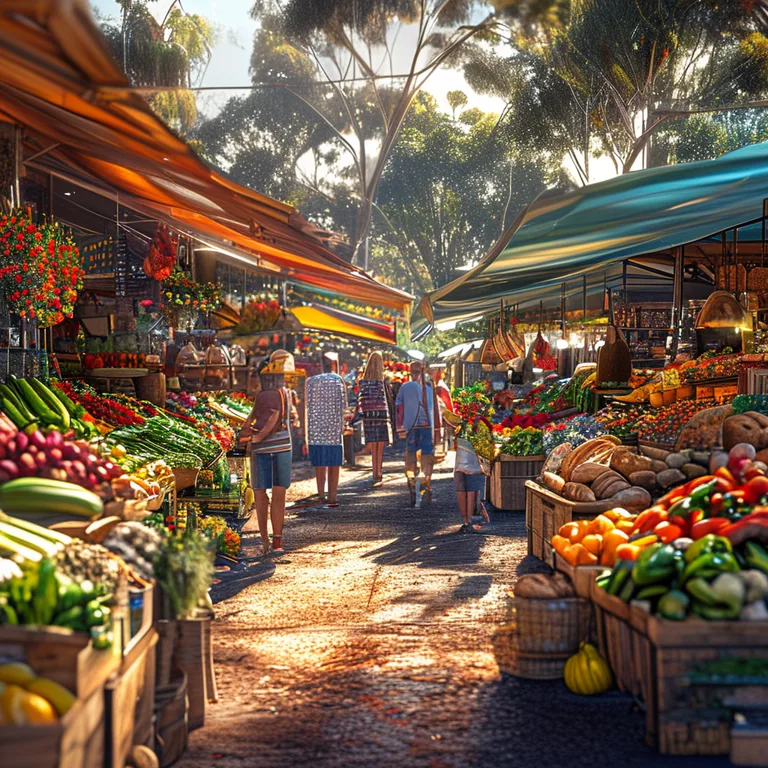 farmers market in Australia on a warm, sunlit morning, with colourful stalls overflowing with fresh…" loading="lazy" style="width:100%;max-width:100%;height:auto;border-radius:8px;display:block;">
Check market listings every Thursday. Many organisers release final vendor line-ups and site maps 48 hours before bump-in, so you can adjust your stock and staffing early.
What Types of Local Markets Exist?
Local markets fall into several clear categories. Knowing the difference helps you pick the right ones to visit or sell at.
- Farmers markets: Fresh produce, dairy, meat, and baked goods, usually weekly and community-focused.
- Night markets: Evening events with food stalls, live music, and a social atmosphere, popular in summer and winter.
- Craft and makers markets: Handmade jewellery, ceramics, clothing, and art, often tied to seasonal themes.
- Food truck parks and street food festivals: Rotating vendors, high foot traffic, and fast service demands.
- Car shows and gaming conventions: Niche events with dedicated audiences and specific vendor requirements.
- Pop-up and community markets: Short-run events in parks, schools, or empty lots, often run by local councils or community groups.
Each type has different customer expectations. A farmers market shopper wants fresh, local, and traceable produce. A night market visitor wants variety and atmosphere. Matching your product to the market type is the first rule of profitable vending.
Why Local Markets Matter for Vendors and Communities
Local markets are not just places to buy things — they are economic engines for small businesses and social anchors for neighbourhoods. For a stallholder, a single good market day can generate more revenue than a week of online sales. For a community, markets create foot traffic for surrounding shops, provide low-barrier entry for new entrepreneurs, and give residents a reason to gather.
"A well-run market is the most efficient retail channel for a small producer. You meet customers face-to-face, test products instantly, and build loyalty that no algorithm can replicate."
— Evntle Operations Guide
Data from industry reports shows that Australian farmers markets alone contribute over $40 million annually to local economies, with the average stallholder earning between $500 and $1,500 per market day depending on category and location. Food and beverage stalls typically see the highest transaction volumes, while craft and clothing vendors rely on higher margins per sale.
| Market Type | Average Daily Revenue (AUD) | Typical Stall Fee (AUD) | Best-Selling Products |
|---|---|---|---|
| Farmers Market | $800 – $1,500 | $40 – $120 | Fresh produce, eggs, bread, honey |
| Night Market | $1,200 – $2,500 | $80 – $250 | Street food, drinks, desserts |
| Craft & Makers Market | $400 – $1,000 | $50 – $150 | Jewellery, ceramics, prints, candles |
| Food Truck Festival | $2,000 – $5,000 | $200 – $500 | Meals, snacks, beverages |
| Car Show / Gaming Con | $600 – $1,800 | $100 – $300 | Merchandise, collectibles, accessories |
For organisers, markets are complex operations. You are managing dozens of vendors, site layouts, compliance documents, payments, and incident reports — often with a small team and a spreadsheet that everyone edits at once. That's where Evntle Vendor Management Suite comes in, handling stall applications, fee collection, vendor communications, and day-of-event check-in in one place.
How Do I Become a Vendor at Local Markets Near Me?
Becoming a vendor is a structured process, not a lucky break. Most organisers require you to apply, submit compliance documents, pay a stall fee, and confirm your site allocation before you can trade. Here is the standard workflow:
- Find markets that match your product. Use a discovery platform to filter by category and location.
- Submit a vendor application. Provide your business details, product list, photos, and insurance certificates.
- Receive approval and pay fees. Organisers review applications, approve suitable vendors, and collect stall fees.
- Complete onboarding. Upload food safety certificates, allergen declarations, and public liability insurance.
- Get your site assignment. Organisers allocate your stall location, parking pass, and bump-in time.
- Trade on market day. Use a reliable point of sale to process orders, track stock, and capture customer details.
Evntle's Vendor Application Management software streamlines steps 2 through 5. Organisers can create structured forms, verify documents, track application status, and assign stall locations without email chains. Vendors get a clear view of where they stand and what's still needed.
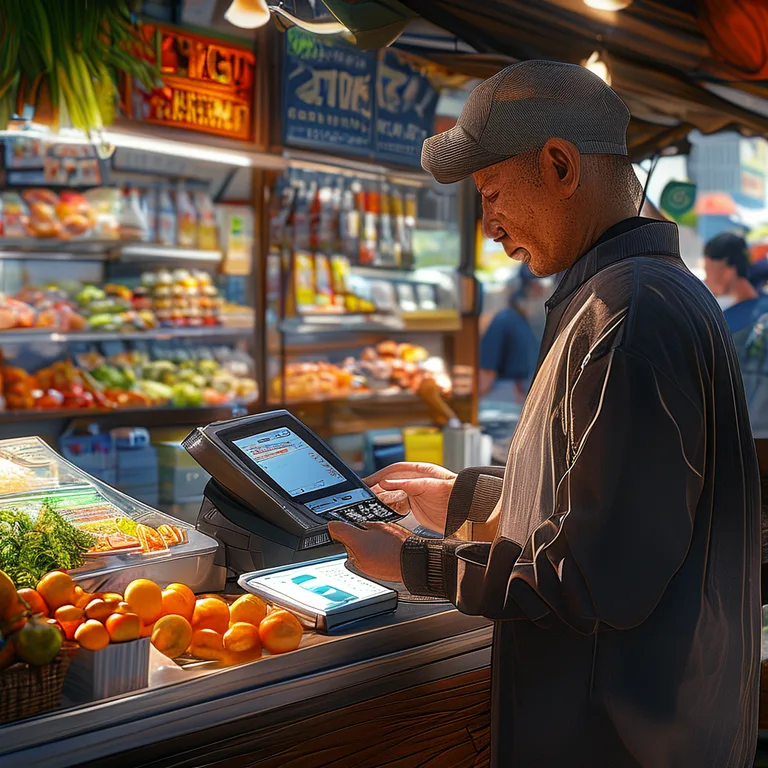
Food vendors in Australia must declare allergens on every item. Evntle's Allergen Safety feature displays warnings on item cards and order carts, covering 13 common allergens plus custom disclaimers, so you stay compliant without manual signage.
What Equipment Do I Need as a Market Vendor?
Your equipment list depends on your product, but every vendor needs a reliable way to take payments and track sales. Cash-only stalls lose customers. A modern point of sale system that accepts cash and card, prints receipts via Bluetooth thermal printer, and syncs across devices is now the baseline.
- Point of sale terminal: Accepts cash and card (Zeller EFTPOS), tracks orders, and prints receipts.
- Tablet or phone: Runs your POS and storefront, works offline if needed.
- Bluetooth thermal printer: For instant receipts and kitchen tickets.
- Card reader: Integrated EFTPOS for tap-and-go payments.
- Power bank or portable battery: Markets often lack reliable power outlets.
- Display and signage: Clear pricing, allergen info, and your brand name.
Evntle's Point of Sale system covers all of this in one app. It supports split payments, training mode for new staff, sound notifications for new orders, and real-time sales tracking, so you always know how your stall is performing.
How Do Organisers Run Local Markets Smoothly?
Running a market is a logistics exercise disguised as a community event. You are coordinating vendor arrivals, site layouts, parking, compliance checks, incident reports, and post-event reporting — often across multiple sites and dates. Spreadsheets break down at scale. A dedicated event management platform keeps everything connected.
Site Planning and Bump-In/Bump-Out
The most stressful hours of any market are bump-in and bump-out. Vendors arrive at different times, need direction to their stall, and expect a smooth setup. Without a clear plan, you get congestion, confusion, and frustrated stallholders.
Evntle's Site Planning tools let you configure your event site map, add parking zones, set up bump-in locations, and mark amenities and utilities. You can track vendor arrivals in real time, process bump-ins and bump-outs with scheduling and notifications, and keep a full history for every venue. This is the difference between a calm morning and a chaotic one.
| Bump-In Task | Without Software | With Evntle Site Planning |
|---|---|---|
| Vendor arrival tracking | Manual check-off on paper, missed arrivals | Real-time digital check-in with notifications |
| Stall allocation changes | Verbal instructions, confusion | Updated site map pushed to all devices instantly |
| Parking pass assignment | Spreadsheet, double-bookings | Automated assignment with conflict detection |
| Incident logging | Paper forms, lost reports | Digital incident management with full history |
| Post-event reporting | Manual compilation, days of work | End-of-event summary report in one click |
"We cut bump-in time by 40% after moving to digital site planning. Vendors know exactly where to go, and we know exactly who has arrived."
— Market Organiser, Geelong Central Market
Vendor Applications and Onboarding
Before any vendor arrives on site, you need to collect applications, review them, approve suitable stallholders, and collect compliance documents. This is where most organisers lose hours. Emails get buried, documents go missing, and follow-ups eat your week.
Evntle Vendor Application Management gives you structured forms, document verification, review processes, and status tracking in one dashboard. You can keep a waitlist for popular events, so when a vendor cancels, you fill the spot instantly. For organisers running multiple markets, this is the single highest-leverage tool you can adopt.
Do not run vendor applications through a shared spreadsheet. Version conflicts, lost data, and missed follow-ups are inevitable. Use a structured application system from day one.
What Makes a Local Market Successful for Everyone?
A successful market works for three groups: shoppers, vendors, and organisers. Shoppers want variety, quality, and a good experience. Vendors want foot traffic, smooth operations, and profitable sales. Organisers want compliance, efficiency, and repeat attendance. When any one group is unhappy, the whole market suffers.
For Shoppers: Discovery and Engagement
Shoppers find markets through word of mouth, social media, and increasingly through event discovery platforms. They want to know what vendors will be there, what food is available, and whether it's worth the trip. A clear event page with vendor profiles, product previews, and location details makes the decision easy.
Discover Events & Markets Near You | Evntle gives attendees a single place to browse upcoming markets, preview vendors, and plan visits. For organisers, this means your event is visible to people actively searching for local markets near me — not just your existing followers.
For Vendors: Sales and Loyalty
Vendors succeed when they sell more per market day and build repeat customers. A point of sale system that tracks top-selling items, peak hour heatmaps, and stock alerts helps you make data-driven decisions. Analytics & Insights shows you exactly what sold, when, and to whom, so you can adjust your product mix for the next market.
Customer loyalty is the hidden profit lever. Customer Loyalty features track repeat customers, log visits and spend, and offer digital loyalty rewards — all auto-tracked from POS orders. A customer who buys from you three times is worth far more than three one-time buyers.
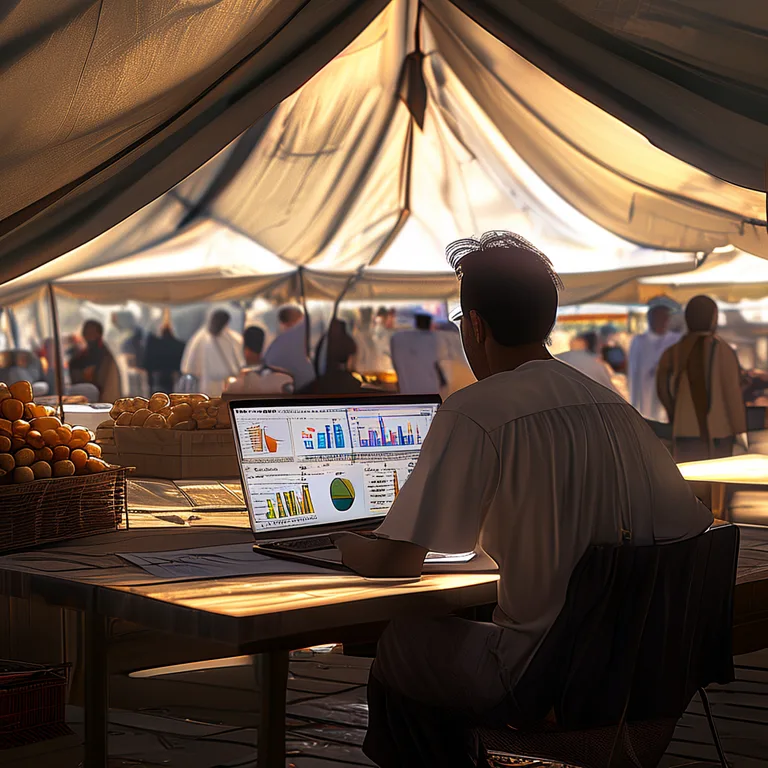
For Organisers: Data and Reporting
After the market ends, the real work begins. You need to know which vendors performed well, which stall locations drove the most traffic, and whether the event met its financial goals. Analytics & Reporting connects point-of-sale data, vendor applications, stall locations, attendance patterns, and vendor feedback into one end-of-event summary report.
This is not vanity metrics. It's how you decide which vendors to invite back, which site layout to repeat, and which markets to expand. Organisers who track this data consistently outperform those who run on gut feel.
Local Markets Near Me: Your Next Steps
Whether you are a shopper looking for the best weekend market, a vendor ready to grow your stall, or an organiser managing multiple events, the path forward is the same: use tools that remove friction and give you visibility. Start by browsing Discover Events & Markets Near You | Evntle to see what's happening in your area. If you're a vendor, set up your free Vendor Storefront to showcase your products and start receiving applications. If you're an organiser, explore Evntle Vendor Management Suite to streamline applications, site planning, and reporting.
Local markets are the most human form of commerce. They reward preparation, consistency, and community. With the right platform, you can spend less time on admin and more time doing what you love — selling, connecting, and building something that lasts.
Finding and running local markets near me doesn't have to be complicated. Evntle brings discovery, vendor management, point of sale, and analytics into one connected platform, so every market day runs smoother — for shoppers, vendors, and organisers alike.
Frequently Asked Questions
Q: How do I find local markets near me this weekend?
A: Use an event discovery platform like Evntle to browse upcoming markets by location, date, and type. Filter for farmers markets, night markets, craft fairs, or food festivals within your suburb or city. You'll see event details, vendor previews, and location information in one place.
Q: What's the best way to apply as a vendor at a local market?
A: Submit a structured vendor application through the organiser's platform. Provide your business details, product list, photos, insurance certificates, and food safety documents if applicable. Evntle's vendor application management system lets you track your status and see what's still needed.
Q: How much does it cost to run a stall at a local market?
A: Stall fees typically range from $40 to $500 per market day, depending on the market type, location, and stall size. Farmers markets are usually $40–$120, night markets $80–$250, and food truck festivals $200–$500. Factor in equipment, stock, and travel costs when pricing your products.
Q: What point of sale system should I use for my market stall?
A: Choose a POS that accepts cash and card, prints receipts via Bluetooth thermal printer, works offline, and syncs across devices. Evntle's point of sale system includes Zeller EFTPOS integration, split payments, real-time sales tracking, and training mode — all in one app.
Q: How do market organisers manage vendor applications and site planning?
A: Organisers use event management software to collect applications, review and approve vendors, assign stall locations, and track bump-in/bump-out in real time. Evntle's vendor management suite handles the full lifecycle — from application to post-event reporting — without spreadsheets.
Q: Why should I use an event discovery platform instead of social media?
A: Social media is fragmented and algorithm-driven. An event discovery platform shows you all upcoming markets in one searchable directory, with filters for location, date, and type. You'll see vendor previews and event details without scrolling through unrelated posts.