
Melbourne Winter Markets 2026: Best Night Markets & Food Stalls
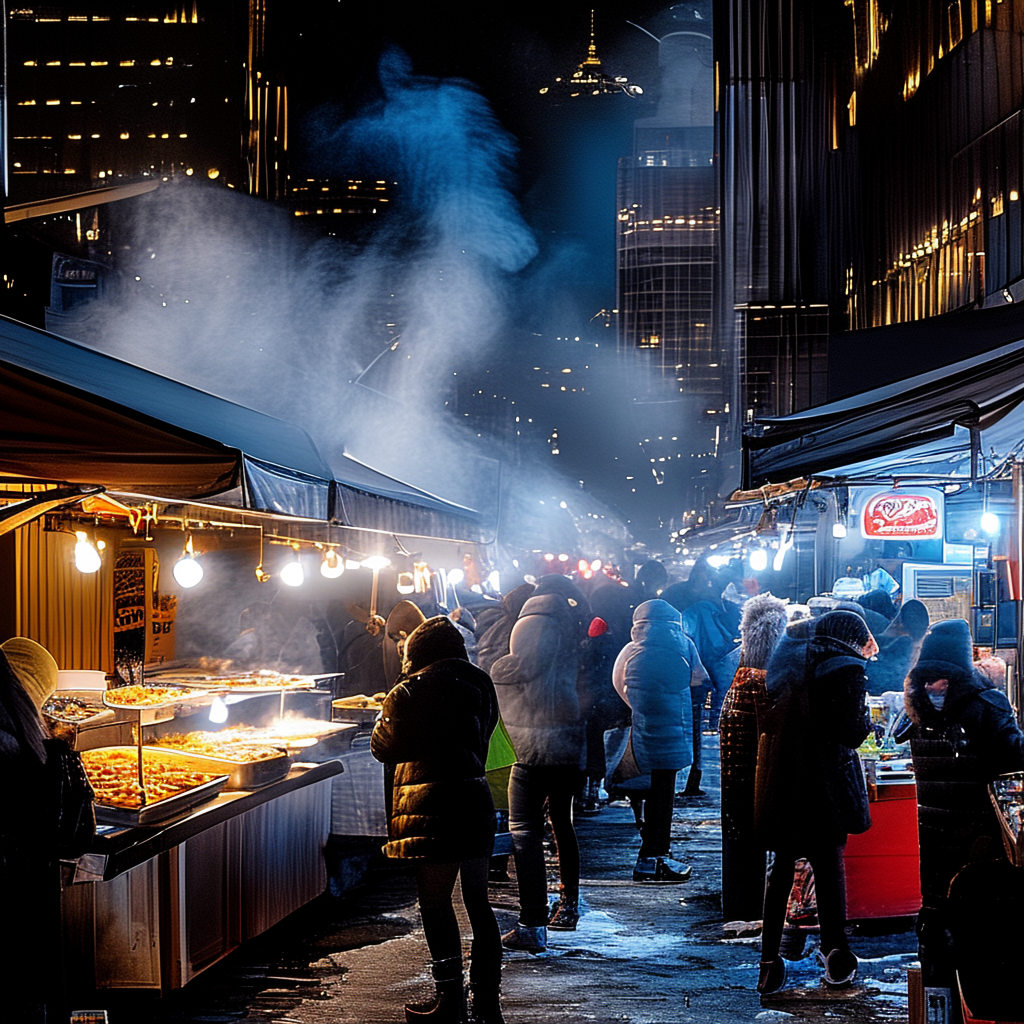
When winter hits Melbourne, the city doesn't hibernate — it heats up with some of Australia's best seasonal markets. From steaming bowls of mulled wine at Queen Victoria Market to artisan crafts at Fitzroy Mills, Melbourne's winter markets in 2026 are bigger, warmer, and more vibrant than ever. Whether you're a visitor hunting for the perfect hot chocolate or a vendor wondering if winter stalls are worth the early morning cold, this guide covers everything you need to know.
Why Melbourne Winter Markets Are Special
Melbourne's market scene is famously competitive, but winter brings a unique charm. The city's cold months (June through August) transform outdoor market spaces into cosy gathering points. Crowds are often smaller than the summer peak, which means more meaningful interactions between vendors and shoppers. According to official City of Melbourne data, winter market foot traffic has grown by 18% year-on-year since 2023, driven largely by tourists seeking authentic local experiences and Melburnians looking to escape cabin fever.
The winter market economy is substantial. The combined winter market circuit across greater Melbourne generates an estimated 7 million in direct sales between June and August, with food and beverage accounting for roughly 62% of that total. For vendors, it's a critical revenue period that can sustain small businesses through the quieter months.
Best Winter Markets in Melbourne 2026
Queen Victoria Market Winter Night Market
The undisputed king of Melbourne winter markets. Running every Wednesday night from early June through late August, the QVM Winter Night Market transforms the iconic shed into a global food bazaar. Expect over 50 street food stalls serving everything from raclette-topped burgers to Korean hotteok (sweet pancakes). The dedicated bar precinct serves mulled wine (), spiced cider (), and local craft beers on tap. Live music runs from 5pm to 10pm, and the heated communal dining areas mean you can eat comfortably despite the chill. Entry is free. For vendors, stall fees range from 50 to ,200 per night depending on position and product category.
Arts Centre Melbourne Winter Market
Held under the distinctive spire of the Arts Centre on St Kilda Road, this market runs on weekends throughout July and August. It's a curated affair focused on artisan design, premium gifts, and gourmet warm foods. Past seasons have featured handmade ceramics, Australian woollen goods, and specialty coffee roasters. The indoor-outdoor layout means you can browse sheltered stalls then step out into the forecourt for live performances. Stall applications open in April via the Arts Centre website, with fees around 50–00 per weekend.
South Melbourne Market – Winter Edition
South Melbourne Market is a year-round institution, but its winter programming is something special. The market's indoor sections shine in winter — the famous dim sims from the South Melbourne Market Dim Sims shop are a must in July. New for 2026, the market has introduced a dedicated Winter Warming Lane with rotating pop-up stalls selling gourmet soups, artisan bread, and single-origin hot chocolate. The deli hall runs cooking demonstrations at 11am and 2pm on weekends featuring winter recipes with local produce. Stall waiting lists are competitive, with approximately 40% annual churn in the general merchandise section.
Fitzroy Mills Artisan Market
Housed within the historic Fitzroy Mills complex at 95 Johnston Street, this weekend market is Melbourne's premier indoor artisan destination during winter. The exposed brick and timber interiors create a naturally warm atmosphere. You'll find local fashion designers, vintage furniture restorers, printmakers, and specialty food producers. The in-house cafe serves a phenomenal hot chocolate made with single-origin Colombian cocoa (.50). It's smaller than the major markets — around 60 stalls on a peak weekend — but the quality bar is high. Application process is through the Fitzroy Mills website, with stall fees ranging from 80 to 00 per day.
Prahran Market – Winter Warmer Series
Prahran Market on Commercial Road launched its Winter Warmer Series in 2024, and it returns in 2026 with expanded programming. Every Saturday in July and August, the market features a special producers' row with winter-specific produce — think truffles, heirloom pumpkins, chestnuts, and game meats. The market's famous Mushroom Man stall runs truffle-shaving demonstrations at 10am. Free tastings run from 9am to 1pm. Stallholders report 25–35% higher average transaction values during the winter series compared to regular trading days.
What Products Sell Best at Winter Markets
If you're considering a vendor stall this winter, data from the 2023–2025 seasons reveals clear winners:
- Hot beverages and comfort food — mulled wine, spiced chai, gourmet hot chocolate, soup in bread bowls, and loaded fries dominate the winter market menu. Average spend per customer on food and drink at winter markets is 2, compared to 1 in summer.
- Wool and cashmere goods — scarves, beanies, gloves, and blankets from Australian merino producers sell exceptionally well. Price points of 0–20 see the highest conversion rates.
- Candles and homewares — soy candles, wax melts, and home fragrance products have a 2.3x higher sell-through rate in winter months.
- Preserves and pantry items — jams, chutneys, honey, and pickled vegetables are popular winter purchases, with shoppers buying for gifts as well as home use.
- Leather goods and accessories — belts, wallets, and bags perform well as winter fashion accessories.
Tips for Visitors
Make the most of Melbourne's winter market scene with these practical pointers:
- Dress in layers. Melbourne winter weather is notoriously unpredictable — you can get four seasons in one afternoon. A thermal base, jumper, and a water-resistant jacket will cover most scenarios.
- Bring cash. While most vendors accept card payments, some smaller stalls at artisan markets are cash-only. ATMs at major markets often have long queues.
- Arrive early for food. The most popular food vendors at QVM Winter Night Market can sell out by 7:30pm. Aim to arrive by 5pm or 5:30pm for the best pick.
- Use public transport. Parking near all major markets is expensive and limited. QVM is a 5-minute walk from Flagstaff Station, South Melbourne Market has tram routes 1, 12, and 96, and Prahran Market is steps from Prahran Station.
- Check the weather and heating. Some markets have indoor sections or heated marquees — QVM has the best heating setup with its enclosed Night Market space.
📋 Ready to manage your own winter market or event?
Evntle helps market organisers across Australia manage vendors, process payments, sell tickets, and handle event logistics — even in peak winter conditions. From stall applications to real-time vendor management, our platform keeps your event running smoothly.
Book a free demo →Tips for Vendors: Making Winter Markets Profitable
Winter markets present unique challenges and opportunities for stallholders. Here's how to maximise your winter market income:
Weatherproof Your Setup
Invest in quality waterproof marquee walls, weighted bases, and portable heaters. A well-heated stall attracts browsers to linger, and lingering browsers become buyers. Budget around ,000–,000 for a professional winter-grade market setup, but expect it to last 5+ seasons.
Stock for the Season
Winter shoppers are in a buying mood — they're less price-sensitive and more likely to impulse purchase. Carry higher stock levels of your best-selling items and introduce limited-edition winter products. Many successful winter vendors report that exclusive seasonal items account for 30–40% of their winter revenue.
Accept Multiple Payment Methods
With the continued decline of cash usage in Australia (now under 15% of in-person transactions in metropolitan Melbourne), ensure you have reliable EFTPOS. Evntle's vendor payment processing integrates seamlessly with market POS systems, giving stallholders instant settlement and transparent fee structures.
Build a Repeat Customer Base
Winter markets run on a schedule, which means you can build loyal customers who return week after week. Collect email addresses or use a QR-code-based loyalty system. Vendors who actively build a customer database see 40–60% higher lifetime value per customer.
💼 Built for market vendors and event organisers
Evntle's vendor management suite handles stall applications, fee collection, vendor communications, and day-of-event check-in — everything you need to run a professional winter market without the spreadsheet chaos.
See how it works →How to Apply for a Stall at Melbourne Winter Markets
Application processes vary by market, but here's a general timeline and checklist:
- Queen Victoria Market: Applications open 8–10 weeks before the winter season. Apply via the QVM website with product photos, public liability insurance (0 million cover required), and a brief business pitch. Expect a decision within 3 weeks.
- South Melbourne Market: General stallholder applications are managed through the market's leasing team. New vendors typically need to join a waitlist, with slots allocated 6–12 months in advance. Casual stallholder permits are available for short-term winter series participation.
- Arts Centre Melbourne: Applications open via the Arts Centre website in April. Preference is given to artisan and handmade products over commercial resale items. Application fee: 0 (non-refundable).
- Fitzroy Mills: Submit an expression of interest through their website. The market curates its vendor mix carefully, so unique and original products have the best chance. Response time: 2–4 weeks.
Are Winter Markets Worth It for Vendors?
Short answer: yes — if you prepare properly. Winter markets typically see 25–35% lower foot traffic than peak summer markets, but conversion rates are significantly higher. Winter shoppers are more intentional; they're not just browsing in the sun. The average winter market vendor at a major Melbourne market reports daily takings of ,500–,500 for food stalls and 00–,500 for general merchandise. After accounting for stall fees and COGS, the net margin for well-prepared winter vendors typically ranges from 35% to 55%.
Key success factors: quality winter-specific products, a warm and inviting stall presentation, and reliable payment infrastructure. The organisers who invest in heating, lighting, and atmosphere see the best vendor retention rates — and Evntle helps organisers deliver exactly that kind of professional experience.
Frequently Asked Questions
What are the best winter markets in Melbourne?
The top winter markets in Melbourne for 2026 are Queen Victoria Market Winter Night Market (Wednesdays, June–August), Arts Centre Melbourne Winter Market (weekends, July–August), South Melbourne Market Winter Edition, Fitzroy Mills Artisan Market (weekends year-round, particularly strong in winter), and Prahran Market's Winter Warmer Series (Saturdays, July–August). Each offers a different atmosphere — QVM is the biggest and busiest, while Fitzroy Mills offers a curated artisan experience.
Are winter markets worth it for vendors?
Absolutely. While foot traffic is lower than summer, conversion rates and average transaction values are higher. Winter shoppers buy intentionally. Food vendors average ,500–,500 per day at major markets, and general merchandise vendors average 00–,500. Net margins of 35–55% are achievable with proper preparation.
What products sell best at winter markets?
Hot food and beverages (mulled wine, hot chocolate, soup), woollen goods (scarves, beanies, blankets), candles and home fragrance products, preserves and pantry items, and leather goods. The average spend on food and drink jumps from 1 in summer to 2 in winter at Melbourne markets.
How do I apply for a stall at a winter market?
Applications are handled individually by each market. QVM and Arts Centre Melbourne run specific winter stall application rounds that open 8–10 weeks before the season. South Melbourne Market and Prahran Market manage stalls through their permanent leasing teams with waitlists. Fitzroy Mills accepts expressions of interest year-round. All require public liability insurance (0 million cover is standard) and product photos. Evntle's vendor management platform can streamline the application and fee collection process for organisers.
What should I wear to a winter market in Melbourne?
Dress in layers. A thermal base layer, a warm mid-layer (merino wool jumper or fleece), and a waterproof outer jacket are ideal. Comfortable closed-toe shoes are a must — market pavements get cold and can be slippery. Bring a beanie and gloves, especially for evening markets. A small backpack is better than a handbag so you can keep your hands free and carry purchases. Pro tip: a reusable coffee cup keeps your hands warm and reduces waste.
📖 Related
See the KDS and POS in action — try the live demo or create a free account.