

Event marketing is the practice of promoting a live event — a market, festival, fair or convention — so the right attendees turn up and vendors sell well. For Australian organisers, effective event marketing combines a clear event listing, targeted social content, vendor promotion, email and SMS reminders, and on-the-day engagement that turns foot traffic into repeat visits. Get these basics right and you fill your site, keep stallholders happy, and build a crowd that comes back every month. The good news is you don't need a big budget — you need a repeatable system that starts weeks before bump-in and keeps working after bump-out.
Most organisers treat marketing as a last-minute scramble of Facebook posts and a poster at the local café. That works once. It doesn't build a market that people plan their weekend around. The difference between a quiet event and a packed one is rarely the quality of the stalls — it's whether enough of the right people knew about it, and whether the experience made them want to return. This guide walks through the whole cycle: planning, vendor coordination, payments, event-day logistics, and the follow-up that turns one visit into a habit.
Event Marketing Starts With the Attendee Experience
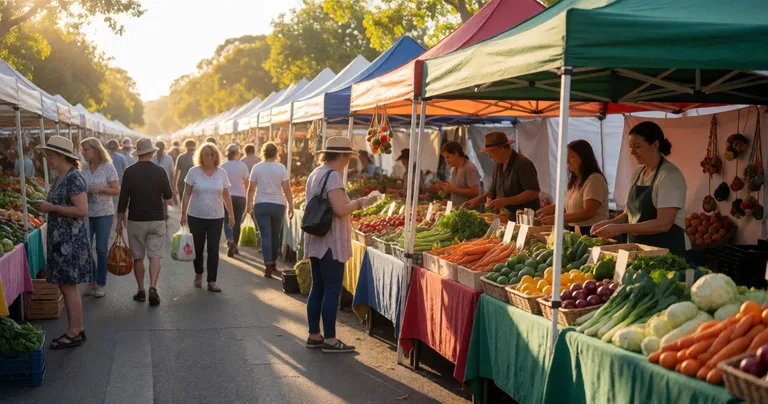
Here's the hard truth: no amount of advertising fixes a bad event. If queues are 20 minutes long, card payments fail, or nobody can find the toilets, people leave early and don't come back. Marketing and operations are the same job seen from two angles. What you promise in a Facebook ad, you have to deliver on the ground.
So before you spend a dollar on promotion, make sure the fundamentals are sorted. That means clear site layout, reliable payments, and vendors who know where to go and when. If you're planning from scratch, the community event planning checklist is a sensible place to start — it covers vendors, sites, safety, sales, and attendee communication in one sequence.
What Attendees Actually Care About
When we survey market-goers, the same priorities come up again and again:
- What's on — specific stalls, food, entertainment, not vague promises
- When and where — clear dates, times, parking, public transport
- How much — entry cost, typical spend, whether it's cashless
- How easy — can I pay by card, will there be queues, is it pram-friendly
- What's new — rotating vendors, seasonal produce, special guests
Answer those five questions clearly in every piece of marketing you do, and you're already ahead of most events in Australia.
Record a 20-second vertical video at your last market showing real stalls and real crowds. It outperforms polished graphics almost every time — attendees trust footage of the actual event.
How Do I Promote a Market or Festival on a Small Budget?
You don't need a media budget. You need consistency and a bit of structure. The most reliable promotion mix for Australian markets and festivals looks like this:
- Lock in your event listing early. Publish the date, location, and vendor lineup at least 4–6 weeks out so search engines and community calendars can pick it up. An event discovery platform like Evntle Event Discovery gets your market in front of people already searching for something to do this weekend.
- Post a content calendar, not random posts. Aim for three posts a week in the four weeks before the event: vendor spotlights, behind-the-scenes prep, and practical info (parking, times, cashless).
- Let your vendors do the selling. Give every stallholder a branded tile and caption to share. Twenty vendors posting to their own audiences reaches far more people than one organiser account ever will.
- Use email and SMS for the final push. A reminder 48 hours out and another on the morning of the event lifts attendance noticeably, especially for recurring markets.
- Partner with local media and community groups. Local papers, radio, school newsletters, and council event calendars are free and often underused.
A Simple Four-Week Promotion Timeline
| Timing | Channel | What to Post | Goal |
|---|---|---|---|
| 4 weeks out | Event listing + social | Save-the-date, headline vendors | Awareness |
| 3 weeks out | Email + vendor shares | Vendor spotlights, what's new | Interest |
| 2 weeks out | Social + local media | Practical info: times, parking, cashless | Planning |
| 1 week out | Email + SMS + stories | Full lineup, map, food preview | Intent |
| Day before / day of | SMS + social | Reminder, weather, live updates | Attendance |
That structure works whether you're running a 30-stall farmers market or a 200-vendor festival. The channels change, the sequence doesn't.
"The markets that fill up aren't the ones with the biggest ad budget — they're the ones with the most consistent weekly rhythm."
— Evntle
Vendor and Stallholder Management as a Marketing Tool
Your vendors are your best marketing channel, but only if they're looked after. A stallholder who feels supported promotes the event to their own customers. A stallholder who's been messed around tells people not to bother. Vendor management and event marketing are the same job.
Make Applications and Onboarding Painless
Spreadsheets and inboxes stop working somewhere around 60 vendors. Applications get lost, offers get sent twice, and nobody's sure who's paid. Structured applications with clear criteria and staged reviews fix this. Tools like vendor application management let you screen, approve, and onboard stallholders through a status pipeline, so you always know who's confirmed and who's still deciding.
Give Vendors the Tools to Sell More
Vendors who sell well come back and bring their friends. Vendors who have a bad day don't. The single biggest lever you control is payment speed. Long queues at a food stall kill sales — people walk away rather than wait 15 minutes.
A modern food stall point of sale with offline mode keeps transactions moving even when the mobile reception drops out. Multi-device support means two or three staff can take orders at once during the lunch rush. And a kitchen display system keeps back-of-house orders in sequence, so nothing gets lost between the till and the fryer.
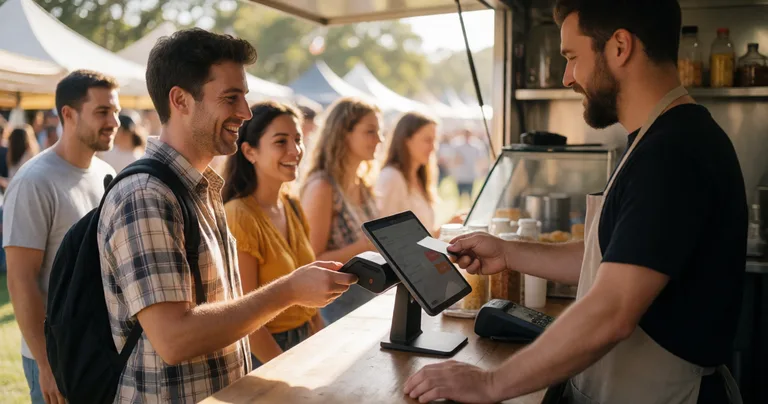
Cashless payments now account for the majority of transactions at Australian markets. Offering tap-and-go alongside cash is no longer optional — it's expected. Vendors without card payment lose sales every single market day.
Keep Communication Clear and Central
Vendors need to know: where their site is, when bump-in opens, what facilities are available, and what happens if the weather turns. Email, SMS, and a vendor portal keep all of that in one place rather than scattered across group chats. For outdoor events, it's worth having a documented weather contingency plan — vendors who understand the plan in advance don't panic when conditions change.
Event-Day Logistics and Crowd Flow Drive Sales
How you lay out your site directly affects how much vendors sell. Get the flow right and people stay longer, spend more, and come back. Get it wrong and you get bottlenecks, frustrated crowds, and vendors complaining about foot traffic.
Site Planning Basics That Work
- Put anchor vendors on the edges. Popular food trucks and headline stalls pull people through the whole site rather than clustering them at the entrance.
- Widen the main aisles. Two people wide is not enough. You want room for prams, wheelchairs, and people stopping to browse without blocking the path.
- Separate eating zones from browsing zones. People with food in hand move differently to people shopping.
- Place amenities thoughtfully. Toilets, water, bins, and first aid should be visible and signposted, not hidden in a far corner.
- Plan bump-in and bump-out windows. Staggered arrival times prevent the car park chaos that ruins everyone's morning.
For a deeper look at getting this right, the guide to event floor layouts covers how to place stalls, manage queues, and build safer, higher-selling markets.
Managing Queues and Peak Times
Every market has a peak — usually 10am to 1pm for weekend markets, or the first two hours after gates open for festivals. That's when queues form and sales either happen or don't. Tools that help include:
- Mobile checkout so staff can take payments anywhere on the stall, not just at the till
- Order boards that display order numbers so customers can step aside and let the queue move
- Kitchen display systems that keep food prep in sequence during the rush
- Virtual queue tools for stalls with long prep times, so customers can browse and come back
Never rely on a single payment terminal at a busy stall. If it drops out or the battery dies, you've lost your entire lunch rush. Always have a backup device and a fallback process.
Point of Sale and Cashless Payments at Events
Payments are where marketing meets reality. A great promotion brings people in; a smooth checkout turns them into customers and repeat visitors. The data you collect at the till also tells you what actually worked.
What to Look for in Event POS
| Feature | Why It Matters at Events | Impact on Sales |
|---|---|---|
| Offline mode | Mobile reception is unreliable at outdoor sites | Prevents lost sales during outages |
| Multi-device support | Multiple staff can serve customers at once | Cuts queue times significantly |
| Cashless payments | Most attendees expect tap-and-go | Captures impulse purchases |
| Live sales visibility | Organisers and vendors see what's selling in real time | Informs restocking and pricing |
| Loyalty and customer capture | Turns one-off buyers into regulars | Lifts lifetime customer value |
If you're comparing options, the guide to choosing a market stall POS system walks through what fits busy event days, mobile selling, and stock control. And if you want to understand the broader category, what event commerce software is explains how POS, vendor management, and discovery fit together.
Using Sales Data to Market Better
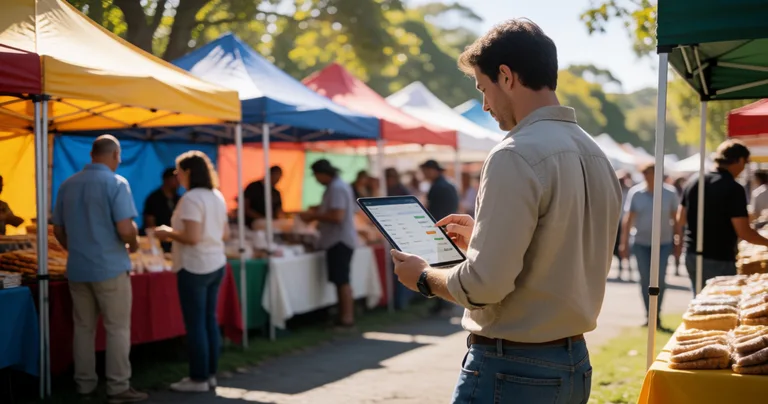
Every transaction is a data point. Which stalls sold best? What time did the crowd peak? Which menu items ran out first? That information tells you what to promote next time, which vendors to invite back, and where to place them. Vendor analytics turns stall-by-stall sales into smarter site plans and better vendor mixes — a genuinely useful feedback loop between operations and marketing.
Attendee Discovery and Engagement
Getting people to the event is step one. Getting them to engage, spend, and return is where the real work happens. Discovery and engagement are two halves of the same coin.
How People Find Events in Australia
Attendees typically discover markets and festivals through a mix of channels:
- Search engines ("farmers market near me", "what's on this weekend")
- Social media, especially Instagram and Facebook events
- Word of mouth and community groups
- Event discovery apps and directories
- Local council and tourism listings
Being present in all five is ideal, but the highest-leverage one is search and discovery. An event discovery app that lets attendees preview stalls, plan their visit, and follow their favourite vendors keeps your market top-of-mind between events.
Engagement Ideas That Actually Lift Spending
- Vendor spotlights before the event. Introduce stallholders by name and story so attendees arrive with a shopping list.
- Loyalty rewards. A simple digital loyalty program that tracks repeat visits and rewards regulars builds genuine habit.
- Live entertainment and demonstrations. Cooking demos, live music, and kids' activities extend dwell time — and longer visits mean more spending.
- Pre-orders and bundles. Letting customers order ahead or buy bundles speeds up service and lifts average spend.
- Post-event follow-up. A thank-you email with next month's date and a vendor storefront link turns one visit into a repeat customer.
Give every vendor a digital storefront so customers can buy from them between markets. It keeps the relationship alive and gives attendees a reason to follow your event page year-round.
Australian Event Industry Insights
The Australian market and festival scene has some distinct characteristics that shape how you market and operate.
- Seasonality is real. Most outdoor markets peak in spring and autumn, with summer heat and winter rain reshaping attendance. Marketing calendars need to reflect that.
- Cashless adoption is high. Australian consumers are among the world's fastest adopters of tap-and-go payments, which means vendors without card facilities are at a real disadvantage.
- Community matters. Australian markets thrive on local identity — supporting local makers, farmers, and small businesses is a genuine selling point, not just a tagline.
- Weather is a variable, not a surprise. Every outdoor event needs a documented contingency plan, because a washed-out market costs vendors real money and damages trust.
- Recurring markets beat one-offs. Monthly or weekly markets build habits and repeat customers in a way that single events struggle to match.
Understanding these patterns helps you plan a marketing calendar that works with the local rhythm rather than against it. If you run a recurring market, the guide to recurring market operations covers how to streamline vendor workflows, site plans, and attendee communication across the whole season.
"Marketing gets people through the gate once. Operations and follow-up get them back next month."
— Evntle
Pulling It All Together
Event marketing isn't a separate job from running the event — it's the same job. The promotion you do brings people in; the vendor management, payments, and crowd flow you've set up determine whether they enjoy it and return. Start with a clear event listing, build a consistent four-week promotion rhythm, give your vendors the tools to sell fast, and use the data from every market to improve the next one. Do that and you'll build a market that fills itself, month after month. Evntle brings the pieces together — from event discovery and vendor applications through to POS, analytics, and attendee follow-up — so organisers can spend less time on admin and more time growing their crowd.
Frequently Asked Questions
Q: How do I promote a market or festival on a small budget?
A: Focus on consistency over spend. Publish your event listing 4–6 weeks early, post three times a week in the lead-up, let vendors share branded content to their own audiences, and use email and SMS reminders in the final 48 hours. Local media and community calendars are free and often underused.
Q: What's the best way to attract more attendees to a recurring market?
A: Build a habit, not a one-off. Keep the same day and time each month, rotate vendors so there's always something new, run a simple loyalty program, and use an event discovery platform so people can find you between events. Follow-up emails with the next date keep the relationship alive.
Q: Why should vendors accept cashless payments at events?
A: Cashless payments cut queue times, capture impulse purchases, and give you sales data you can act on. The majority of Australian market-goers now expect tap-and-go, and vendors without card facilities lose sales every market day.
Q: How do I manage vendor applications without spreadsheets?
A: Use structured applications with clear criteria and a status pipeline so you can see who's applied, who's approved, and who's paid at a glance. Vendor application management software replaces the spreadsheet-and-inbox chaos that stops working around 60 vendors.
Q: What should I do if the weather turns bad on event day?
A: Have a documented weather contingency plan before you need it. Communicate it to vendors in advance, set clear thresholds for postponement or cancellation, and use SMS and your vendor portal to send updates quickly. Vendors who understand the plan in advance handle changes far better.
Q: How does event marketing connect to event-day operations?
A: They're the same job. Marketing brings people in; operations determine whether they enjoy it and return. Fast payments, sensible site layouts, and clear vendor communication all directly affect attendee satisfaction and repeat attendance — which is what actually grows an event.
📖 Related
See the KDS and POS in action — try the live demo or create a free account.