
16 Indoor Winter Market Ideas for Australia 2026
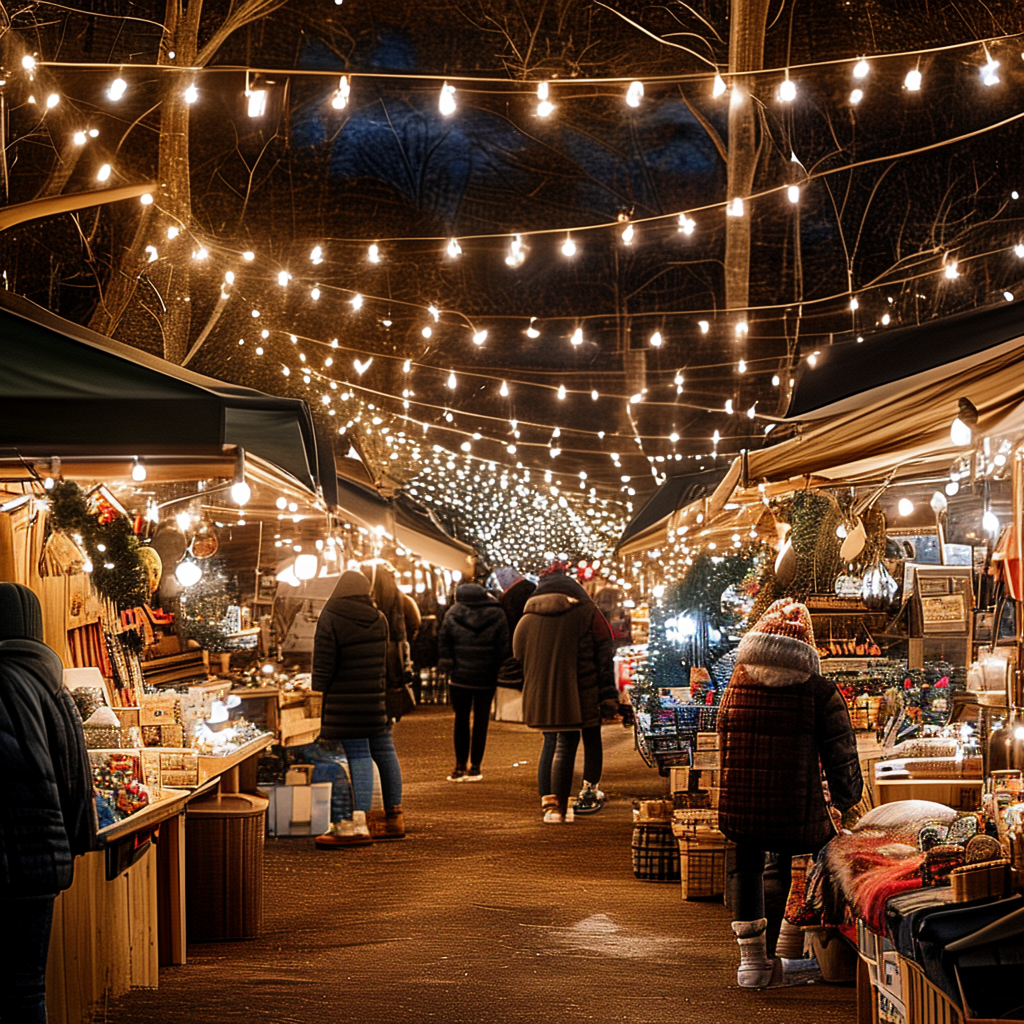
Australian winters bring cooler weather and shifting consumer behaviour, but they don't have to mean a slow season for market organisers. Indoor winter markets have become a lucrative and reliable format from Cairns to Hobart, drawing crowds seeking warmth, community, and curated shopping experiences. This guide covers 16 indoor winter market ideas for Australia in 2026 — spanning venue types, layout strategies, vendor recruitment, and marketing tactics tailored to the Australian cold season.
Why Indoor Winter Markets Are Booming in Australia
Winter market attendance in Australia has risen steadily over the past five years. The 2025 Australian Events Industry Report noted a 23% increase in indoor event attendance from June to August compared to 2020 figures. Market organisers who pivot from outdoor-only models to winter-ready indoor formats are capturing audiences that would otherwise stay home. Indoor markets offer climate-controlled comfort, protection from wind and rain, and a cosy atmosphere that drives longer dwell times — and higher per-stall revenue.
For stallholders, the difference is even starker. Outdoor markets in July across Melbourne's inner north can see foot traffic drop by 40% on rainy weekends. Moving inside to a heated community hall or warehouse keeps customers browsing and buying regardless of the forecast.
Types of Indoor Venues for Winter Markets
Choosing the right venue is the single most important decision you'll make. Here are the most effective indoor venue types available across Australian cities and regional centres.
Community Halls and Recreation Centres
Community halls are the backbone of Australian winter markets. With capacities from 100 to 500 people and rental costs ranging from $300 to $800 per day, they offer affordable, accessible spaces in residential areas. Most include basic kitchen facilities, heating, and accessible bathrooms. The Nunawading Community Hub in Melbourne's east hosts a monthly indoor winter market that draws over 1,200 visitors per event. Check with your local council — many offer discounted rates for community-focused events.
School Gyms and Multipurpose Halls
School gyms are underutilised on weekends during winter. With high ceilings, generous floor space (typically 400–800 m²), and ample parking, they're ideal for markets targeting family audiences. Rental fees generally fall between $500 and $1,200 per day. The St Leonard's College indoor market in Brighton East, Melbourne, is a standout example, featuring 60+ stalls across two basketball courts every winter Saturday.
Warehouses and Industrial Spaces
Raw warehouse spaces offer the largest capacities — up to 2,000+ visitors — and a blank canvas for creative event design. Costs range from $800 to $2,000 per day for spaces of 500–1,500 m². The Teneriffe Woolstore in Brisbane's New Farm district hosts winter markets that attract a fashion-forward, food-focused crowd. These spaces need heating, adequate lighting, and careful floor marking for aisle layouts.
Shopping Centres and Arcades
Shopping centre management companies increasingly lease vacant tenancies or centre court areas for pop-up winter markets. Some offer spaces for as little as $200 per day if the market draws foot traffic to other retailers. The Queen Victoria Building in Sydney runs a winter artisan market in its lower-ground atrium from June through August. The built-in heating, lighting, and bathrooms — plus the existing customer stream — make this a low-risk option for first-time organisers.
Church Halls and Parish Centres
Church halls are among the most affordable indoor venues, often renting for $200 to $500 per day. They work best for smaller, curated markets of 20–40 stalls with a community or artisan focus. The St John's Anglican Church Hall in Toorak, Victoria, hosts a mid-week winter makers' market that sells out vendor spots within 48 hours of opening applications.
Showground Pavilions
Showground pavilions offer large covered spaces with power, water, and vehicle access. Typical costs are $600 to $1,500 per day for a single pavilion. The Melbourne Showgrounds runs its Winter Night Market inside the Heritage Pavilion from May to August, drawing up to 3,000 visitors per session with a curated blend of food trucks under cover and market stalls inside the heated hall.
📋 Need help planning your indoor market venue?
Evntle's event management platform helps you compare venues, manage stallholder applications, and sell tickets — all from one dashboard. Book a free demo and see how it works.
How to Choose the Right Indoor Venue
Not every indoor space works for every market. Use this checklist when evaluating venues.
Capacity and Layout
Calculate how many stalls you need first, then find a venue with at least 1.5× that area for aisles and circulation. A 60-stall market with 3 m × 3 m bays needs roughly 540 m² for stalls alone, plus 300–400 m² for aisles. Most Australian school gyms of 600 m² comfortably hold 40–50 stalls.
Heating and Ventilation
Australian winter venues must maintain 18–22°C for comfort. Check whether the space has ducted heating, gas heaters, or requires portable units. Factor in heating costs — commercial gas heaters cost $80–$150 per day to run. For food vendors, ventilation (rangehoods, extraction fans) is non-negotiable.
Parking and Accessibility
Survey the parking situation on a wet Saturday before committing. A market with 1,200 visitors needs roughly 400 car spaces. If the venue offers fewer than 200 spaces, arrange overflow parking with a shuttle — the Adelaide Showground uses its neighbouring school carpark (50-cent shuttle via a vintage bus) during winter markets. Ensure wheelchair accessible entry, bathrooms, and stall spacing.
Amenities
Minimum requirements: male, female, and accessible toilets (one per 50 visitors), kitchen or food prep area, power distribution (10 A minimum per stall for food vendors), and storage space. Most Australian community halls meet these standards. Warehouses and showground pavilions may need portable toilet and generator hire, adding $400–$1,000 to your budget.
Layout Tips for Indoor Winter Markets
Indoor spaces demand different layouts than outdoor markets. Poor layout leads to congestion, reduced dwell time, and unhappy vendors.
Aisle Width and Flow
Main aisles should be 2.5–3 metres wide to accommodate prams, wheelchairs, and two-way foot traffic. Secondary aisles can narrow to 1.8 metres. Use a looped or racetrack layout that guides visitors in one direction — this increases the likelihood they see every stall. The Canberra Winter Market at EPIC uses a figure-eight loop layout that lifted vendor exposure by 34% compared to its previous grid layout.
Lighting
Indoor venues often have harsh fluorescent or dim lighting. Supplement with warm LED string lights, spotlights on feature stalls, and directional lamps to create a cosy winter atmosphere. Markets that invested in warm lighting (2700–3000 K colour temperature) reported 18% longer visitor dwell times in a 2025 Australian event survey.
Traffic Flow and Entry Management
Place your highest-draw stalls — hot food, coffee, alcohol — at the back or middle of the venue to pull visitors through the entire space. Put practical vendors (soap, candles, pantry staples) near the front to anchor browsing. Use QR code entry at the door to capture attendee data for future marketing — Evntle's QR check-in tools make this seamless.
Winter-Specific Vendor Mix
The vendors you recruit for a winter market should reflect what customers actually want when it's cold outside.
Hot Food and Beverages
Hot food is the anchor category. Recruit vendors selling: gourmet pies and sausage rolls, mulled wine and spiced cider, artisan hot chocolate, pho and ramen, Indian curries, and jaffles. The Winter Feast at Hobart's Salamanca Market reserves 40% of stall spots for hot food and beverage vendors — more than double the summer ratio.
Candles, Wax Melts, and Home Fragrance
Candle and home fragrance stalls consistently rank as top-three revenue generators at Australian winter markets. Soy candles, beeswax wraps, essential oil diffusers, and wax melts appeal to customers looking to make their homes cosy. A stallholder at the Brisbane Indoor Winter Market reported $4,200 in sales across a single Saturday in July 2025.
Wool, Knitwear, and Accessories
Australian-made woollen goods — beanies, scarves, gloves, merino jumpers, alpaca socks — perform exceptionally well. The Goulburn Winter Wool Festival (indoor, at the Goulburn Recreation Centre) sells out its 80 stallholder spots each year, with woollen products accounting for over half of total transaction volume.
Books and Stationery
Indoor markets are a natural home for book sellers, especially on rainy winter weekends. Second-hand and independent bookstalls, publishers' clearance titles, and artisan stationery (journals, fountain pens, paper goods) suit the browsing pace of a winter market.
Crafts and Artisan Goods
Pottery, ceramics, timber homewares, and paintings sell particularly well in winter when home improvement and decorating projects ramp up. Allocate at least 25% of your stall mix to artisan goods.
🛒 Recruit, manage, and pay vendors with Evntle
From vendor applications to commission tracking and instant payments — Evntle automates the busywork so you can focus on creating an amazing market experience. Schedule your demo today.
Marketing Strategies for Indoor vs Outdoor Winter Markets
Marketing an indoor winter market requires different tactics than an outdoor summer event.
Emphasise the "Warm Inside" Message
Your primary marketing angle is escape from the cold. Use phrases like "Stay warm and shop local," "Winter warmers and artisan treasures," and "Rain, hail, or shine — we're indoors." Include photos of the heated interior and cosy lighting in all social media posts.
Leverage Weather-Based Advertising
Run weather-triggered Facebook and Instagram ads that activate when the forecast drops below 15°C or predicts rain. The Sydney Finders Keepers Winter Market used this strategy in 2025 and reported a 2.7× higher click-through rate on cold-weather days compared to standard ads.
Partner with Local Cafés and Accommodation
Bundling your market with nearby cafés (show a market stamp for 10% off coffee) and accommodation (discount hotel rates for market visitors) creates a winter weekend package. The Katoomba Winter Magic Festival partners with six Blue Mountains accommodation providers to offer bundled tickets — a strategy that lifted total attendance by 41% in 2025.
Weather-Proofing Your Event Day
Even though you're indoors, weather still affects your event. Prepare for these scenarios: Power outages (hire a backup generator — $200–$400/day), cold drafts from loading doors (use vinyl strip curtains — $150 per doorway), condensation on windows (dehumidifiers cost $60/day to rent), and reduced public transport on public holidays (promote carparking details in pre-event emails).
Indoor Winter Market Ideas — 16 Concepts to Launch
Here are 16 specific indoor winter market concepts that work across Australian cities and regions:
- Winter Artisan Night Market — Weekly after-hours event in a warehouse, with wine and live acoustic music.
- Indoor Farmers' Market — Fresh produce, preserves, and baked goods in a community hall.
- Winter Makers' Market — Curated handmade crafts, pottery, and art in a church hall.
- Book and Paper Fair — Second-hand books, stationery, and printing workshops in a school gym.
- Winter Food Truck Indoor Feast — 10–15 food trucks parked inside a showground pavilion with communal seating.
- Wool and Fibre Market — Alpaca, merino, and sheepskin goods in a recreation centre.
- Indoor Plant and Home Decor Market — Houseplants, pots, and interior styling stalls in a shopping centre atrium.
- Wine and Cheese Winter Fair — Regional wine, cheese, and charcuterie tasting in a warehouse with heating.
- Kids' Winter Market — Toys, books, clothing, and craft activities for families in a church hall.
- Thrift and Vintage Winter Market — Curated second-hand clothing, vinyl, and collectibles in a warehouse.
- Pet and Animal-Friendly Market — Pet accessories, treats, and adoption info in a heated pavilion.
- Winter Wellness Market — Candles, essential oils, massage, yoga demos, and herbal teas.
- Christmas in July Market — Winter-themed Christmas gifts, decorations, and German-style mulled wine.
- Music and Vinyl Market — Record sellers, turntable stalls, and live DJ sets in a warehouse venue.
- Winter Wedding Expo — Wedding vendors, tasting stations, and bridal fashion in a community hall.
- Neighbourhood Winter Market Series — Rotating venues across three or four suburban community halls on consecutive weekends.
Real Australian Venue Examples
| Venue | Location | Capacity | Cost/Day |
|---|---|---|---|
| Nunawading Community Hub | Melbourne, VIC | 500 | $550 |
| Teneriffe Woolstore | Brisbane, QLD | 2,000 | $1,800 |
| Queen Victoria Building Atrium | Sydney, NSW | 800 | $1,200 |
| Melbourne Showgrounds Pavilion | Melbourne, VIC | 3,000 | $1,500 |
| Adelaide Showground | Adelaide, SA | 2,500 | $1,200 |
| Goulburn Recreation Centre | Goulburn, NSW | 600 | $450 |
| EPIC (Exhibition Park) | Canberra, ACT | 4,000 | $2,000 |
| St John's Church Hall | Toorak, VIC | 200 | $350 |
Budget Breakdown for a 50-Stall Indoor Winter Market
A realistic budget for a one-day indoor winter market with 50 stalls in a suburban community hall:
- Venue hire: $700 (community hall, includes heating)
- Insurance (public liability + event): $350
- Marketing (ads, posters, social): $600
- Portable heaters (if needed): $300
- Portable toilets (if insufficient): $400
- Cleaning and waste management: $250
- Staff (2–3 event crew): $600
- Signage and printing: $200
- Contingency (10%): $340
- Total estimated cost: $3,740
At $80–$120 average stallholder fee for 50 stalls, that's $4,000–$6,000 in vendor revenue alone — leaving a healthy margin before ticket sales, food vendor commissions, or sponsorship income.
Frequently Asked Questions
What makes a good indoor market venue?
A good indoor market venue has reliable heating (18–22°C), adequate accessible bathrooms, kitchen or food prep facilities, ample parking (at least 1 space per 3 expected visitors), power distribution, and flexible floor space without obstructive columns. Community halls, school gyms, and showground pavilions consistently rate highest among Australian market organisers.
How much does it cost to hire an indoor venue for a market?
Indoor venue hire in Australia ranges from $300 to $2,000 per day depending on the venue type, location, capacity, and included amenities. Community halls are the most affordable ($300–$800), while showground pavilions and warehouses cost $800–$2,000. Shopping centres may offer discounted rates ($200+) if your market drives foot traffic to their retailers.
What vendors should I recruit for indoor winter markets?
Focus on five key categories: hot food and beverages (30–40% of stalls), candles and home fragrance (15–20%), woollen and knitwear goods (10–15%), books and stationery (10%), and artisan crafts and pottery (15–20%). This mix aligns with what shoppers actively seek in cold weather and maximises dwell time and per-visitor spend.
How do I promote an indoor winter market?
Lead with a "stay warm inside" message in all marketing. Use weather-triggered Facebook and Instagram ads that activate on cold or rainy days. Partner with local cafés, hotels, and accommodation providers for bundled offers. Email past attendees with early-bird ticket discounts. QR code entry lets you capture attendee data for follow-up marketing to your next event — Evntle makes this simple.
What if the venue doesn't have enough parking?
If parking is limited, arrange a free or low-cost shuttle service from a nearby shopping centre or train station. Promote ride-sharing and public transport options in pre-event emails. Consider running a staggered entry schedule (e.g., 9–11 AM, 11 AM–1 PM, 1–3 PM) to reduce the number of cars in the carpark at any one time. Some councils offer temporary overflow parking permits for nearby oval or school carparks on weekends.
📖 Related
See the KDS and POS in action — try the live demo or create a free account.